Your Boat Is Losing Value Faster Than You Think. Here’s How Smart Storage Helps Slow Depreciation
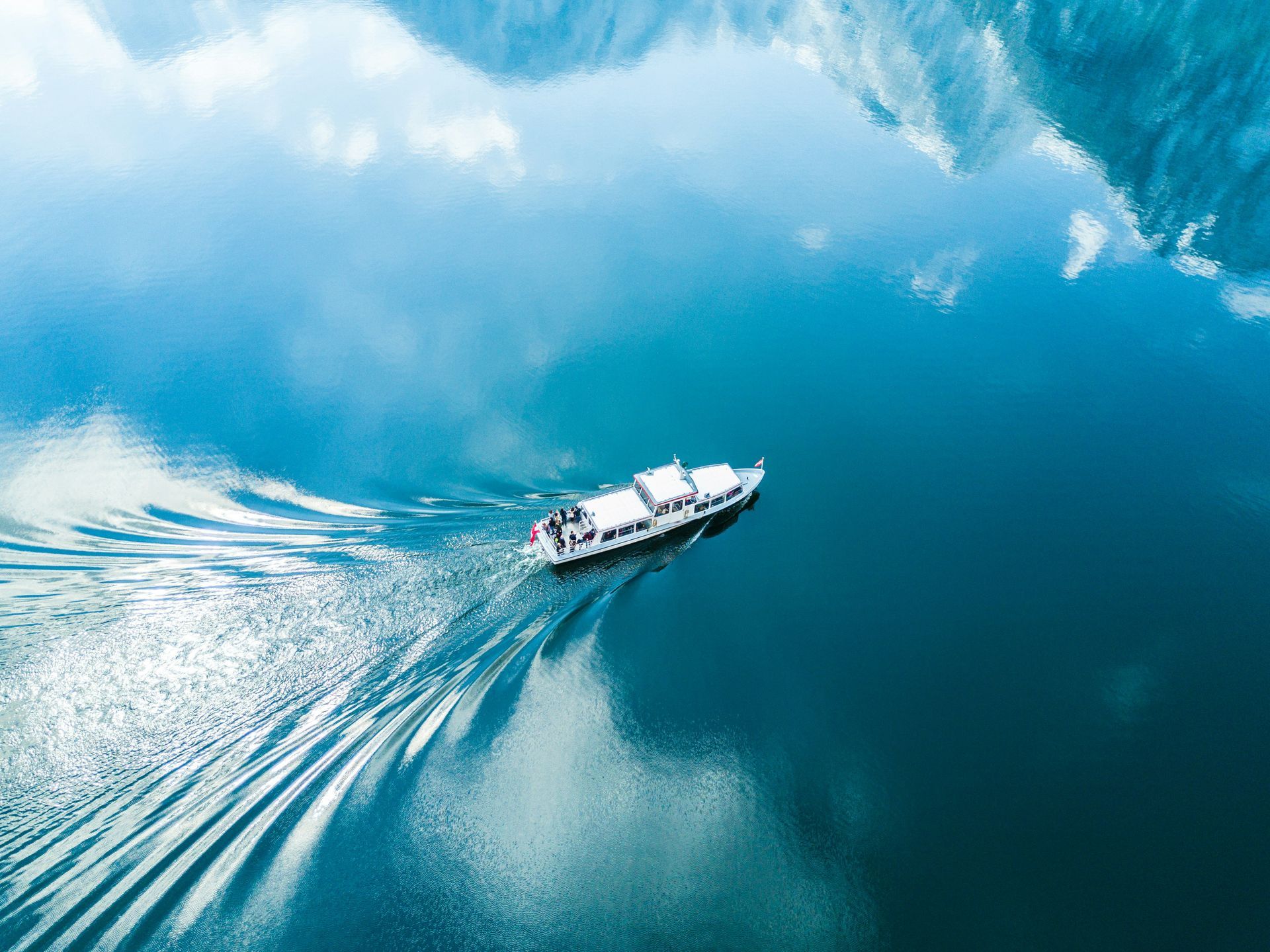
For many boat owners, the focus tends to stay on the fun parts of ownership. Weekend fishing trips, long summer afternoons on the water, and spontaneous adventures around Washington’s lakes and waterways are usually what make the investment worthwhile in the first place. However, beneath all those great experiences is a financial reality that often catches owners off guard: boats lose value quickly, especially when they are not properly maintained or stored. Boat depreciation affects every owner regardless of the size, brand, or style of vessel. While some depreciation is unavoidable, the rate at which a boat loses value can vary dramatically depending on how well it is protected throughout the year. Exposure to rain, UV rays, moisture, and long stretches of inactivity can quietly accelerate wear in ways that become very expensive later. Over time, those small issues begin to add up, reducing resale value and increasing repair costs long before many owners expect.
That is especially important in western Washington, where damp conditions and seasonal weather patterns create unique storage challenges. Boat owners around Yelm often spend several months preparing their vessels for offseason storage, and the way that storage is handled can have a direct impact on how well the boat holds its value over the years. Choosing dependable storage options in Yelm can help reduce unnecessary exposure while protecting important components that are easily damaged by Washington’s climate. Although depreciation can never be eliminated, proper storage and preventative care can help owners slow the process significantly. Understanding how depreciation works and how environmental conditions affect long-term value can make a major difference in both ownership costs and future resale opportunities.
Key Points for Readers Short on Time
- Most boats lose between 15% and 25% of their value during the first year of ownership
- Moisture, sunlight, and inconsistent storage conditions accelerate depreciation
- Washington’s wet climate creates additional risks for mold, corrosion, and upholstery damage
- Proper storage helps preserve resale value by protecting key systems and cosmetic condition
- Maintenance history and offseason care can influence resale pricing years later
What Boat Depreciation Actually Means
At its core, depreciation refers to the gradual loss of value that happens as a boat ages. Unlike real estate or certain collectible assets, boats are designed for recreational use in demanding environments, which means wear and tear are inevitable. Even boats that are used carefully will lose value over time simply because newer models enter the market, systems age, and components begin to deteriorate. However, age alone does not determine how quickly a boat depreciates. Condition plays an equally important role. Two boats with the same make, model, and year can have dramatically different resale values depending on how they were stored and maintained throughout ownership.
According to valuation trends from the Power Product Systems and marine resale marketplaces, many boats lose approximately 15% to 25% of their original value during the first year alone. After that initial drop, depreciation typically continues at a slower pace, averaging around 5% to 10% annually depending on usage, condition, maintenance history, and demand. To put that into perspective, a new $80,000 wake boat could realistically lose $20,000 or more in value within just a few years if exposed to harsh weather conditions and inconsistent care. Meanwhile, a similar vessel that receives proper maintenance and secure storage may retain thousands more in long term resale value. Because of this, storage is not simply about finding a place to park a boat during winter. Instead, it becomes part of a broader strategy to preserve condition, reduce deterioration, and protect the investment over time.
Why Boats Depreciate Faster Than Many People Realize
Unlike vehicles that spend most of their time on roads, boats operate in environments that naturally accelerate wear. Water exposure alone creates ongoing stress on engines, electrical systems, trailers, and hull materials. When you add sunlight, fluctuating temperatures, humidity, and long periods without use, deterioration begins happening much faster than many owners initially expect. One of the biggest contributors to depreciation is environmental exposure during storage. Boats left outdoors year-round often experience damage that develops gradually and goes unnoticed until repairs become expensive.
For example, UV exposure slowly breaks down upholstery, vinyl, and gel coat finishes. Over time, colors fade, surfaces crack, and materials become brittle. At the same time, moisture trapped beneath covers or inside compartments can create ideal conditions for mold and mildew growth. Electrical corrosion may also begin forming in hidden areas, particularly during long wet seasons. Washington’s climate makes these risks even more relevant. Yelm and the surrounding communities experience prolonged rainfall and damp conditions throughout much of the year. Western Washington’s wet season regularly brings extended periods of moisture that can affect outdoor equipment and vehicles stored without proper protection. As a result, boats stored improperly in this region often show signs of deterioration much earlier than vessels protected in more controlled environments.
The Hidden Costs of Poor Storage
Many owners think of depreciation as something abstract that only matters during resale. In reality, poor storage creates immediate financial consequences long before a boat is ever listed for sale. For instance, replacing damaged marine upholstery can cost several thousand dollars, depending on the size of the vessel. Electronics exposed to moisture may fail unexpectedly and require expensive replacement. Hull oxidation often demands professional restoration work, while neglected trailers may develop rust, tire cracking, and brake system problems.
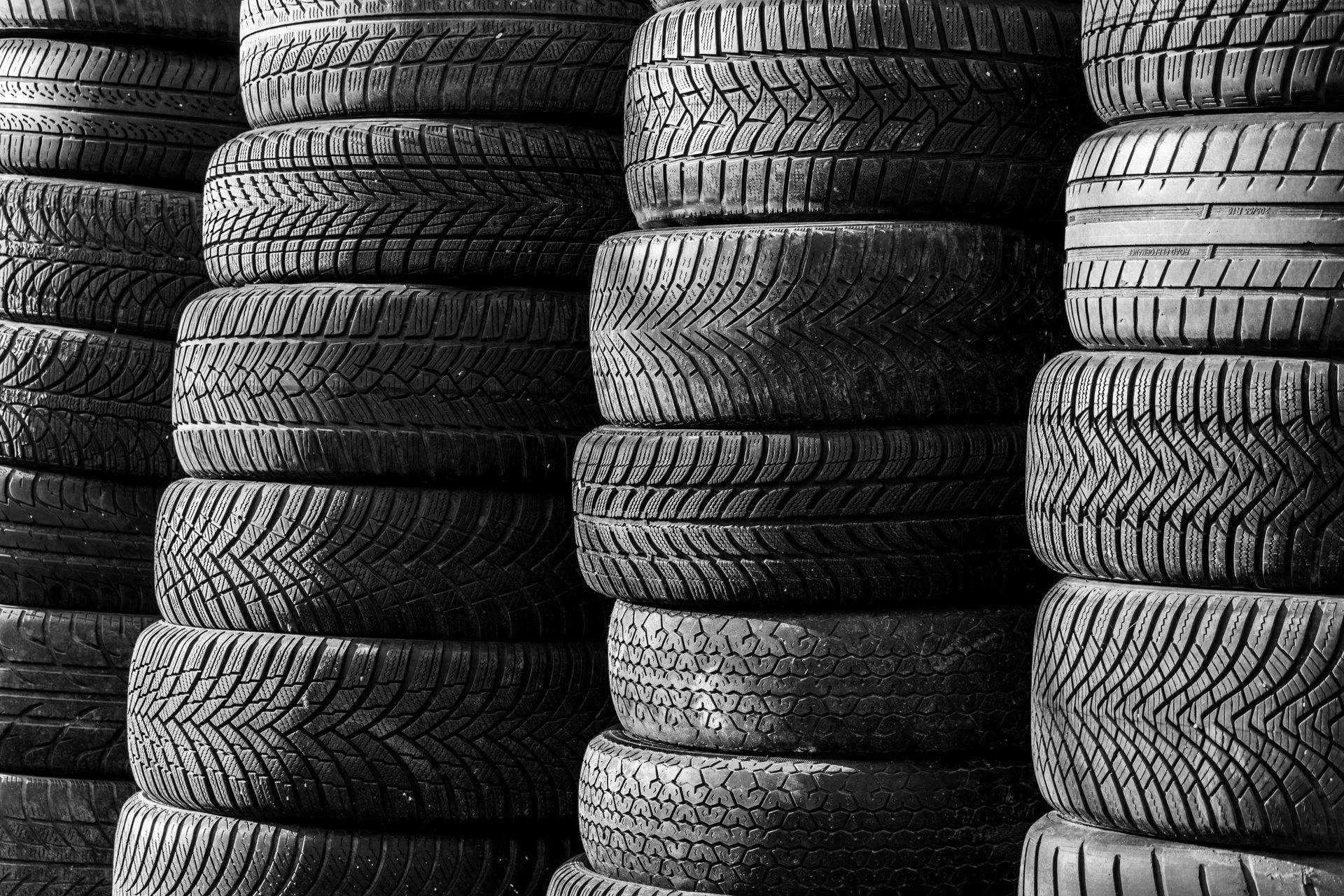
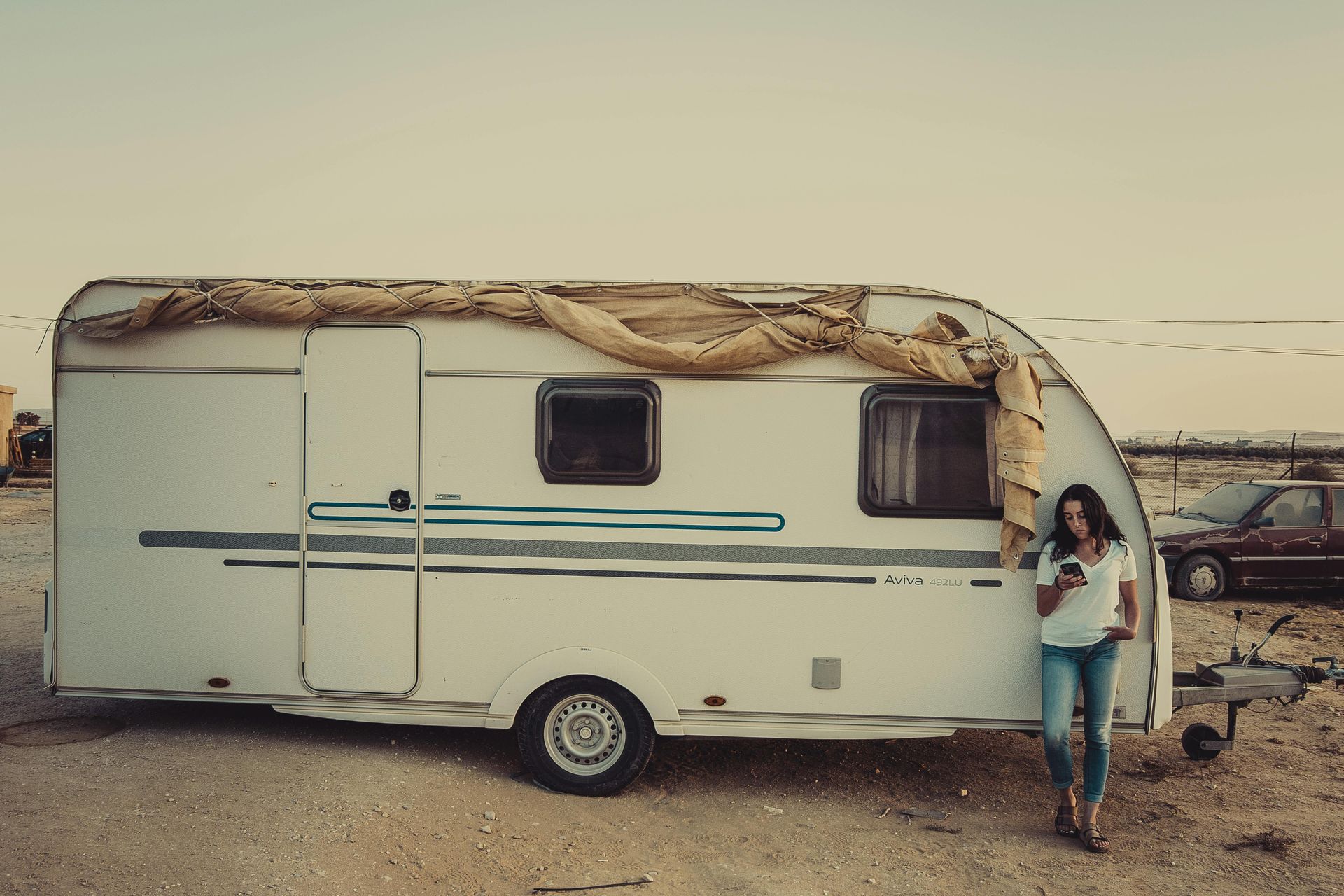
Even cosmetic damage affects value more than many owners realize. Buyers pay close attention to visible wear because it often reflects how well the rest of the boat has been maintained. Faded seating, water stains, mildew smells, and cracked finishes all create the impression of neglect, even if the engine itself remains functional. In addition, poor storage habits can shorten the lifespan of supporting equipment such as tires and trailers. Similar issues are commonly seen with RVs and utility trailers exposed to long periods of outdoor storage. Boat owners dealing with tire deterioration may also find useful maintenance information in this article about how to stop dry rot tires in storage. When viewed over several years of ownership, the costs associated with preventable weather damage often exceed what owners would have spent on better storage in the first place.
How Proper Storage Helps Slow Boat Depreciation
While no storage solution can stop depreciation entirely, proper storage dramatically reduces the environmental stress that accelerates unnecessary wear. In many cases, it is one of the most effective ways to preserve both appearance and long-term functionality.
Reduced Moisture Exposure
Moisture is one of the biggest threats to boats stored in western Washington. Rain, condensation, and humidity can slowly damage interiors, flooring, and electrical systems if moisture becomes trapped inside the vessel. Proper storage helps reduce direct exposure while allowing for better airflow and drainage. This lowers the likelihood of mold growth, mildew buildup, and corrosion during the offseason. Additionally, reducing prolonged moisture exposure helps preserve softer materials such as carpeting, seating foam, and canvas covers. These areas are often among the first to show signs of deterioration when boats are stored improperly.
Protection From UV Damage
Sunlight causes gradual but significant damage over time. Boats left exposed to direct sunlight for extended periods often develop faded paint, cracked vinyl, and weakened seals much sooner than expected. Covered or protected storage helps limit UV exposure, preserving cosmetic appearance and slowing material breakdown. Since resale value depends heavily on visual condition, maintaining appearance can have a measurable impact on future pricing.
Improved Security
Another factor many owners overlook is security. Theft, vandalism, and accidental damage also contribute to depreciation. Missing electronics, damaged trailers, or stolen accessories reduce value while increasing insurance complications. A secure storage environment helps reduce these risks while providing peace of mind during extended periods when the boat is not in use.
Better Long-Term Maintenance Habits
Interestingly, owners who use dedicated storage facilities are often more consistent with maintenance routines overall. Seasonal storage encourages regular inspections, cleaning schedules, winterization procedures, and preventative maintenance that help extend equipment lifespan. That consistency matters because buyers are increasingly looking for a documented maintenance history when evaluating used boats. Organized records and visible care often make a boat easier to sell while supporting stronger resale pricing.
Why Geography Matters for Boat Storage in Yelm
Boat ownership in Yelm comes with advantages that many outdoor enthusiasts appreciate. The area offers convenient access to lakes, rivers, and boating destinations throughout western Washington. Residents often spend summers fishing, camping, and exploring nearby recreation areas managed through the Washington State Parks system. However, the same geography that makes the region appealing for outdoor recreation also creates storage challenges during the offseason.
Unlike drier climates, where outdoor storage may present fewer moisture concerns, western Washington experiences long wet seasons combined with cooler temperatures and fluctuating humidity. These conditions increase the risk of:
- Condensation buildup inside compartments
- Mold and mildew growth
- Rust formation on trailers and hardware
- Battery degradation
- Water intrusion beneath covers
- Tire deterioration during long periods of inactivity
Because boating activity is often seasonal in this area, many vessels spend several months sitting unused each year. Without proper storage preparation, that inactivity can accelerate depreciation surprisingly fast. For this reason, many owners prioritize dependable storage options in Yelm that help reduce environmental exposure during Washington’s wetter months.
Maintenance Habits That Help Preserve Resale Value
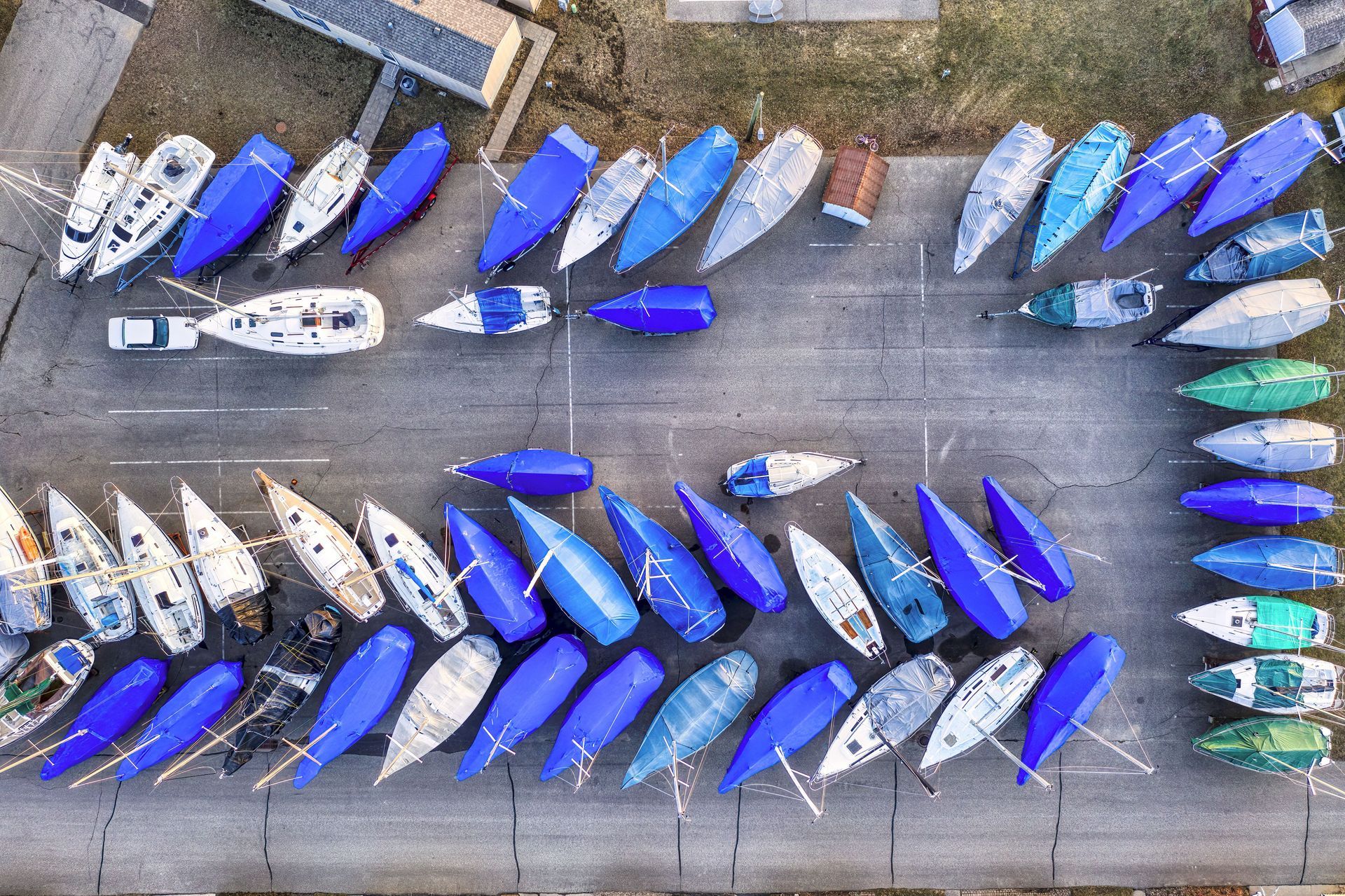
Storage works best when paired with consistent preventative maintenance. Small habits performed throughout the year can help preserve both condition and value while reducing long-term repair expenses. For example, regularly washing the hull helps remove contaminants that contribute to oxidation and staining. Proper winterization protects engines and plumbing systems from seasonal damage, while maintaining tire pressure helps reduce flat spots and sidewall cracking during storage. Breathable covers also play an important role. Although it may seem logical to seal a boat tightly with plastic tarps, trapped moisture often creates more problems than it prevents. Ventilated covers allow moisture to escape while still protecting surfaces from debris and precipitation.
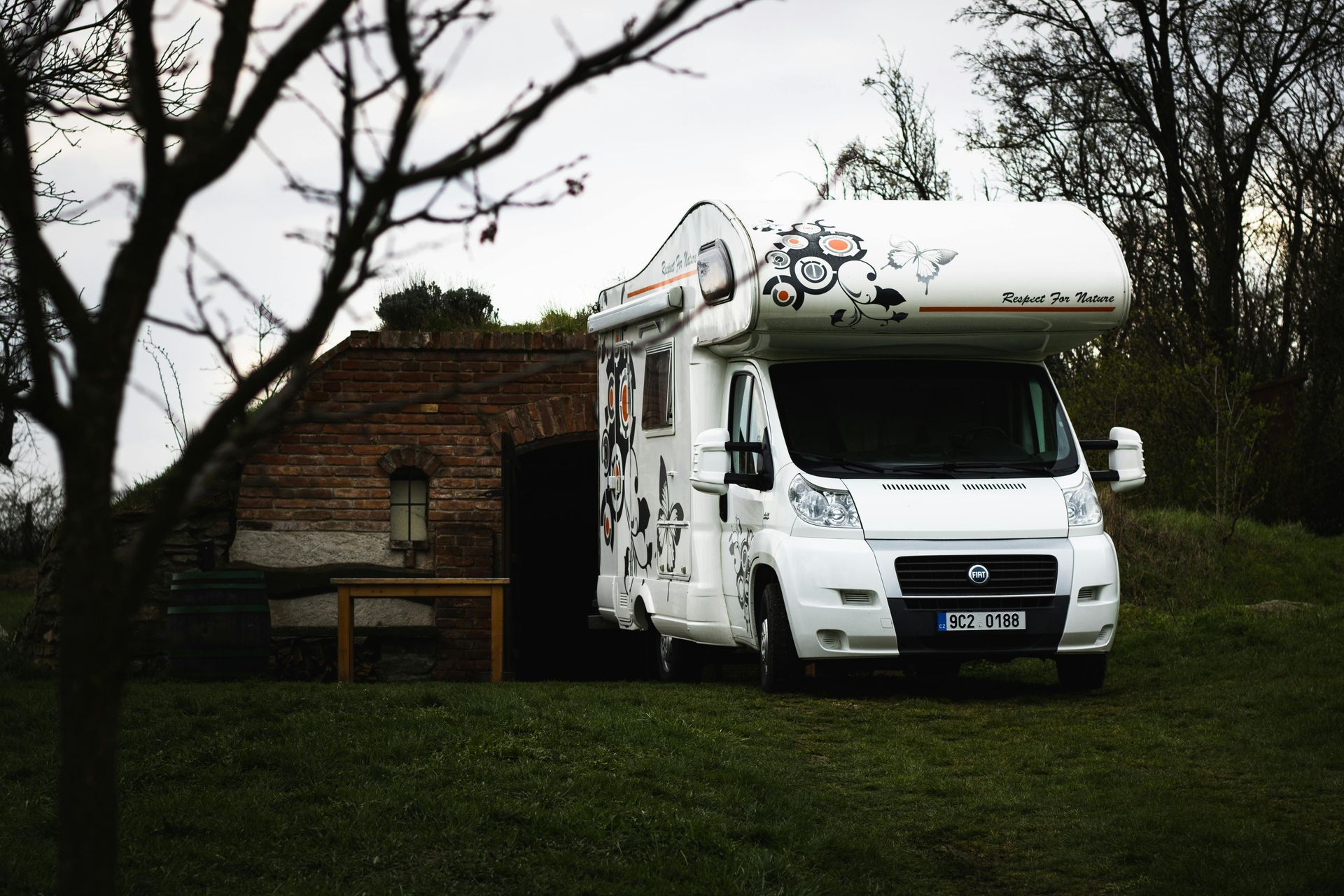
Owners should also keep detailed service records whenever possible. Maintenance logs, repair invoices, and winterization documentation help demonstrate responsible ownership during resale negotiations. These same principles apply to many recreational vehicles exposed to long-term storage conditions. Boat owners who also own campers or trailers may appreciate this related article explaining why storage extends your RV life.
Depreciation Is Inevitable, but Neglect Does Not Have to Be
One of the most important things for boat owners to understand is that depreciation itself is not necessarily the problem. Every recreational boat loses value over time. What truly affects ownership costs is how much additional deterioration occurs because of preventable damage. A neglected boat stored year-round outdoors may depreciate much faster because buyers immediately notice visible wear. Stained upholstery, mildew odors, corrosion, faded surfaces, and cracked finishes create concerns about hidden problems that may exist beneath the surface. On the other hand, a well-maintained boat stored in a cleaner and more secure environment often presents far better during inspections and resale conversations. Buyers tend to feel more confident when a vessel appears dry, organized, and carefully maintained. Over the course of ownership, that difference can represent thousands of dollars in preserved value.
Boat ownership naturally comes with ongoing expenses, and depreciation is one of the largest long-term costs owners face. While no boat will maintain its original value forever, the way it is stored and maintained can dramatically influence how quickly that value declines. For boat owners in western Washington, environmental conditions make proper offseason protection especially important. Moisture, rain, and prolonged inactivity all contribute to the kinds of wear that lower resale value and increase maintenance costs over time. Choosing reliable storage options in Yelm helps reduce exposure to those conditions while protecting upholstery, electronics, tires, trailers, and other vulnerable components. Combined with regular maintenance and thoughtful care, proper storage can help owners preserve appearance, improve long-term reliability, and slow some of the most expensive effects of depreciation. In the end, protecting a boat during the months it is not being used may be just as important as maintaining it during boating season itself.
Your Boat or RV Deserves Better Than a Driveway: Choosing Between Indoor and Outdoor Storage in Yelm