RV Depreciation and Why Storage Can Help Extend the Life of Your RV
Your RV is more than just a way to travel. For many, it’s a long-term investment, a home away from home, and a vehicle that carries memories. But like all vehicles, RVs lose value over time. Understanding RV depreciation and how thoughtful storage strategies can help slow that loss of value is key to protecting your investment. In this blog, we’ll break down what depreciation really means, why it happens, and how storing your RV at a secure facility like Yelm Boat & RV Storage in Yelm, Washington, helps prolong its life, especially in the Pacific Northwest climate.
What Is RV Depreciation?
RV depreciation refers to the decline in the market value of your RV from the moment you drive it off the lot and over the years. Unlike real estate or other long-lived assets, vehicles typically lose value with use, age, and exposure to the elements.
Several factors influence how quickly an RV depreciates:
- Age: Every year your RV gets older, its value naturally declines.
- Mileage: Just like cars, higher mileage usually means more wear and tear.
- Condition: Cosmetic and mechanical conditions heavily affect resale value.
- Exposure to Weather: UV rays, moisture, and temperature changes can accelerate wear on interiors and exteriors.
How Climate and Local Weather Can Affect Your RV
In Yelm, Washington, the climate includes wet winters, moderate summers, rain, and occasional snow or frost, conditions that can affect your RV over time. Moisture and fluctuating temperatures can wear on siding, roof seals, and mechanical systems. UV light in the summer can fade paint and cause cracking on rubber seals. Rain and humidity, common in the South Puget Sound region, can lead to corrosion and mold growth inside your RV if moisture isn’t properly managed. Especially during extended periods of rain and cool weather, it’s important to store your RV to protect it from the elements. That’s where smart storage choices come in.
Why Storage Matters for Your RV’s Longevity
Storing your RV isn’t just about parking it somewhere; it’s about protecting it from everyday wear that chips away at its value. Here’s how proper storage helps:
- Limits Exposure to Weather: Rain, snow, and intense sun can all damage exterior paint, seals, tires, and finishes. Covered or sheltered storage reduces that exposure.
- Reduces Moisture Damage: Moisture inside your RV can lead to mold and mildew. A dry space with good airflow and humidity control goes a long way toward preserving interior finishes.
- Prevents Pest Problems: Rodents, birds, and insects can all find their way into an exposed RV, chewing wiring and nesting in upholstery.
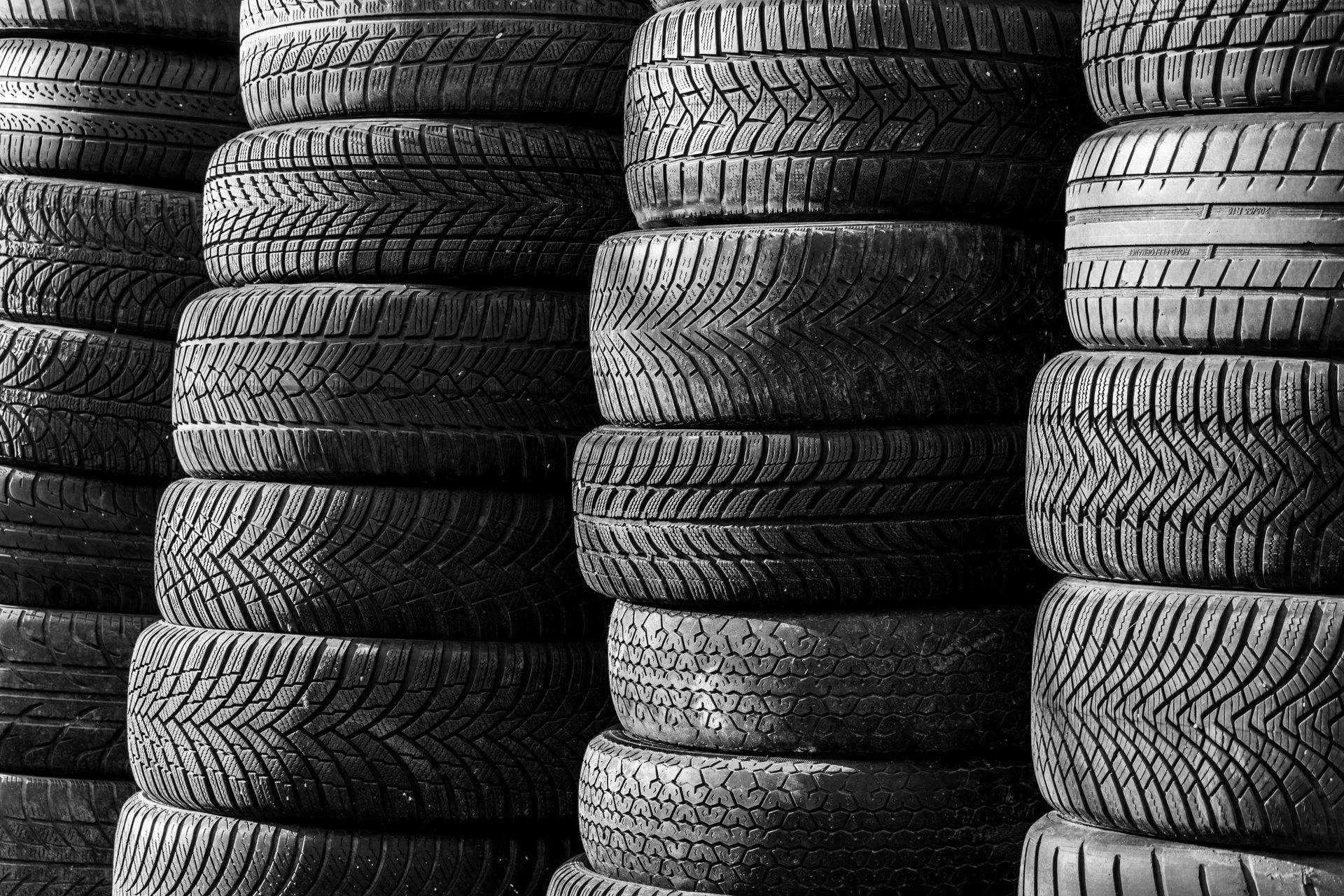
- Protects Tires and Underbody: Sitting in one place for too long without proper tire protection or elevation can lead to flat spots and undercarriage corrosion.
These factors contribute directly to how quickly an RV depreciates. If you keep your RV in better condition year after year, its value holds up better over time.
Types of RV Depreciation to Watch For
RV depreciation isn’t just a single number on a spreadsheet. It shows up in different ways:
- Market Value Drop: The price you could sell your RV for declines over time, just like any vehicle asset.
- Wear and Tear Costs: Visible fading, cracking, or mechanical issues can reduce resale appeal and cost more to repair.
- Seasonal Depreciation: If your RV isn’t stored seasonally, repeated exposure to the Pacific Northwest’s winters and wet springs can exacerbate depreciation.
By pairing regular maintenance with proper storage, you delay these declines and maintain a stronger resale position.
How Storage in Yelm, Washington, Helps
Choosing a reliable facility like Yelm Boat & RV Storage means giving your RV a secure home when it’s not on the road. Quality storage protects your investment from weather, pests, and uneven terrain. You can find a range of options designed to meet your needs, whether you’re storing it through rainy winters or between summer trips.
Here’s what this means for RV owners in our community:
- Less Time Fixing Damage, More Time Enjoying Trips: Stored vehicles are generally cleaner and in better mechanical shape.
- Better Condition for Resale: A well-maintained RV commands a better price when you choose to sell or trade.
- Peace of Mind Each Off-Season: Knowing your RV is parked safely and sheltered helps you focus on planning your next adventure.
For more storage advice that protects your RV, read our article about how to store your RV in winter, and the one we discuss essential RV maintenance tools.
RV Use and Storage: Balancing Adventure and Preservation
Depreciation isn’t all bad. The whole point of owning an RV is to use it! But balancing use with smart seasonal storage will help you keep that RV investment strong over time. Think of storage as preventive maintenance. It’s not just about where you park; it’s about reducing long-term costs and preserving value. RV depreciation is a natural part of ownership. The good news is that many of the driving forces behind it, such as weather exposure, moisture damage, pest intrusion, and general wear, can be mitigated with careful storage. In Yelm, WA, where the weather swings from rainy seasons to bright summer days, having a
dependable storage solution can make a measurable difference in how your RV ages and how much resale value it holds. Before you hit the road next time, think about where your RV spends its off-season. Protect it in a way that pays off both financially and experientially.
Your Boat or RV Deserves Better Than a Driveway: Choosing Between Indoor and Outdoor Storage in Yelm