Your Boat or RV Deserves Better Than a Driveway: Choosing Between Indoor and Outdoor Storage in Yelm
Owning a boat or RV is about making the most of your free time. One weekend might involve launching a fishing boat for a day on the water, while the next could mean loading up the RV and heading toward some of Washington's most scenic destinations. However, once the trip is over and the vehicle is parked, many owners face the same question: where should it stay until the next adventure begins? While some people initially keep their boat or RV at home, storage quickly becomes an important consideration. Recreational vehicles occupy significant space, and leaving them exposed for extended periods can gradually affect their appearance, performance, and overall condition. As a result, many owners begin comparing indoor and outdoor storage options to determine which solution best fits their needs.
For those exploring storage options in Yelm, understanding the differences between indoor and outdoor storage can help prevent unnecessary maintenance costs while supporting the long term value of a boat or RV. Likewise, reviewing our storage size guide can help owners identify the right amount of space before making a decision. The challenge is that there is no single answer that works for everyone. Some owners prioritize maximum protection, while others focus on accessibility and affordability. Therefore, the best choice often comes down to how frequently the vehicle is used, how long it remains in storage, and what level of protection the owner expects.
Key Points for Readers Short on Time
- Indoor storage offers the highest level of protection from environmental exposure and physical wear.
- Outdoor storage typically provides a more budget-friendly option while maintaining easy access.
- Long term storage conditions can influence maintenance requirements and resale value.
- Frequent travelers may prioritize convenience, while seasonal users often prioritize protection.
- Understanding your usage habits is the key to choosing the right storage solution.
Why Storage Matters More Than Many Owners Realize
When people purchase a boat or RV, they often focus on the exciting aspects of ownership. They think about road trips, weekends at the lake, family vacations, and future adventures. What is easy to overlook, however, is that recreational vehicles spend far more time parked than they do being actively used. In fact, many boats and RVs remain in storage for weeks or even months at a time between outings. During those periods, storage conditions play a significant role in determining how well the vehicle ages. Small issues that develop during storage can eventually become costly repairs, particularly when exposure and neglect combine over time.
For example, prolonged exposure to sunlight can contribute to fading paint and graphics. Dust and debris can accumulate on exterior surfaces. Tires may deteriorate more quickly, and seals can experience additional stress. While these changes often occur gradually, their effects become increasingly noticeable as the years pass. Consequently, selecting the right storage environment is not simply about finding a parking space. It is about protecting an investment that may have cost tens or even hundreds of thousands of dollars.
Understanding Indoor Boat & RV Storage
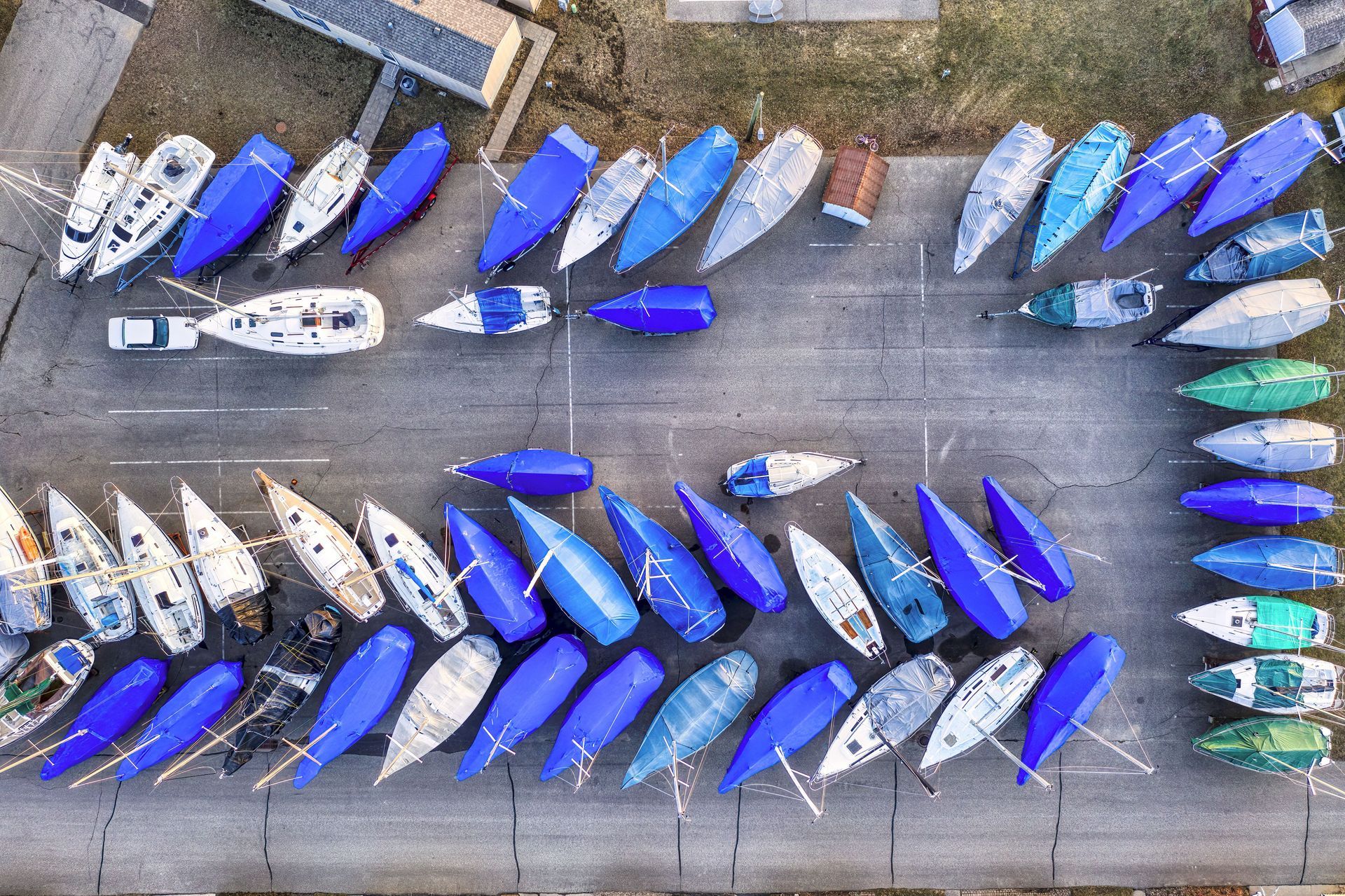
Indoor storage provides the highest level of protection available for recreational vehicles. Instead of being parked in an open lot, the boat or RV is stored inside a fully enclosed structure designed to separate the vehicle from external conditions. Because the vehicle remains sheltered, many of the factors that contribute to wear and tear are significantly reduced. Sunlight, airborne debris, dirt accumulation, falling branches, and other environmental hazards have far less opportunity to affect the vehicle. As a result, many owners choose indoor storage when they are particularly concerned about preserving appearance and reducing long term maintenance requirements.
One of the biggest advantages is the protection provided to exterior finishes. RV graphics, paint, decals, fiberglass surfaces, and boat gelcoat finishes can all benefit from spending less time exposed to environmental stressors. Over several years of ownership, this protection can help maintain a cleaner and more attractive appearance. Furthermore, indoor storage often reduces the amount of preparation needed before a trip. Vehicles tend to stay cleaner during storage periods, which means owners can spend less time washing, detailing, and inspecting surfaces before heading out. Another benefit involves peace of mind. Knowing a vehicle is stored inside an enclosed structure allows many owners to feel more confident about its condition during periods of inactivity.
Why Many Owners Still Choose Outdoor Storage
Although indoor storage provides extensive protection, outdoor storage remains an extremely popular choice among boat and RV owners. The primary reason is simple: convenience. Outdoor storage allows vehicles to be parked in designated spaces that are easy to access and maneuver. For owners who frequently use their boats or RVs, this accessibility can make a noticeable difference. Instead of navigating enclosed storage areas, vehicles can often be retrieved quickly and returned just as easily after a trip. This convenience becomes especially valuable during peak travel seasons when owners may be heading out several times each month.
In addition, outdoor storage often accommodates a wider variety of vehicle sizes. Large motorhomes, fifth wheels, toy haulers, and oversized boats can require substantial clearance, making outdoor storage a practical solution. Cost also plays an important role. Since outdoor spaces generally require fewer facility resources than enclosed units, they are often more affordable. For many owners, the savings are significant enough to outweigh the additional exposure associated with outdoor storage. Consequently, outdoor storage can represent an excellent balance between protection, accessibility, and cost effectiveness.
Comparing Protection Levels Side by Side
When comparing indoor and outdoor storage, protection is often the category that creates the greatest distinction. Indoor storage functions as a barrier between the vehicle and the outside environment. Minimizing exposure helps reduce many of the factors associated with cosmetic deterioration and aging. Owners who plan to keep their boat or RV for many years often view this protection as a worthwhile investment. Outdoor storage, on the other hand, provides a secure place to park while allowing the vehicle to remain exposed to natural conditions. This does not necessarily mean damage will occur. However, it does mean owners should be prepared to perform regular inspections and maintenance to address issues before they become more serious.
For example, exterior surfaces may require more frequent cleaning. Tires should be inspected regularly, and protective covers may become part of the maintenance routine. These additional steps are manageable, but they do require ongoing attention. Ultimately, the question becomes whether the added protection of indoor storage justifies the additional cost based on your specific ownership goals.
The Relationship Between Storage and Resale Value
Every boat and RV begins depreciating the moment it is purchased. While depreciation cannot be eliminated entirely, storage choices can influence how well a vehicle retains its condition over time. Potential buyers often evaluate appearance before they evaluate mechanical systems. Faded graphics, weathered surfaces, cracked seals, and deteriorated tires can create the impression that a vehicle has not been carefully maintained, even when its mechanical condition remains strong. Because of this, storage decisions can have a meaningful impact when it comes time to sell or trade in a recreational vehicle.
This connection between storage and long-term value is explored further in the article on boat depreciation and how storage protects value, which highlights how proper storage contributes to preserving an asset's condition throughout ownership. While resale value should not be the sole factor driving storage decisions, it remains an important consideration for many owners.
Maintenance Requirements Change Depending on Storage Type
Regardless of where a boat or RV is stored, maintenance remains essential. However, the amount of attention required often differs depending on the storage environment. With indoor storage, owners typically spend less time addressing environmental buildup and exposure-related concerns. Vehicles generally stay cleaner, and exterior surfaces experience fewer environmental stressors. By contrast, outdoor storage often requires a more proactive maintenance schedule. Owners should routinely inspect critical areas to ensure everything remains in good condition throughout storage periods.
Key areas to monitor include:
- Tires
- Roof seals
- Exterior graphics
- Paint and fiberglass surfaces
- Batteries
- Electrical systems
- Protective covers
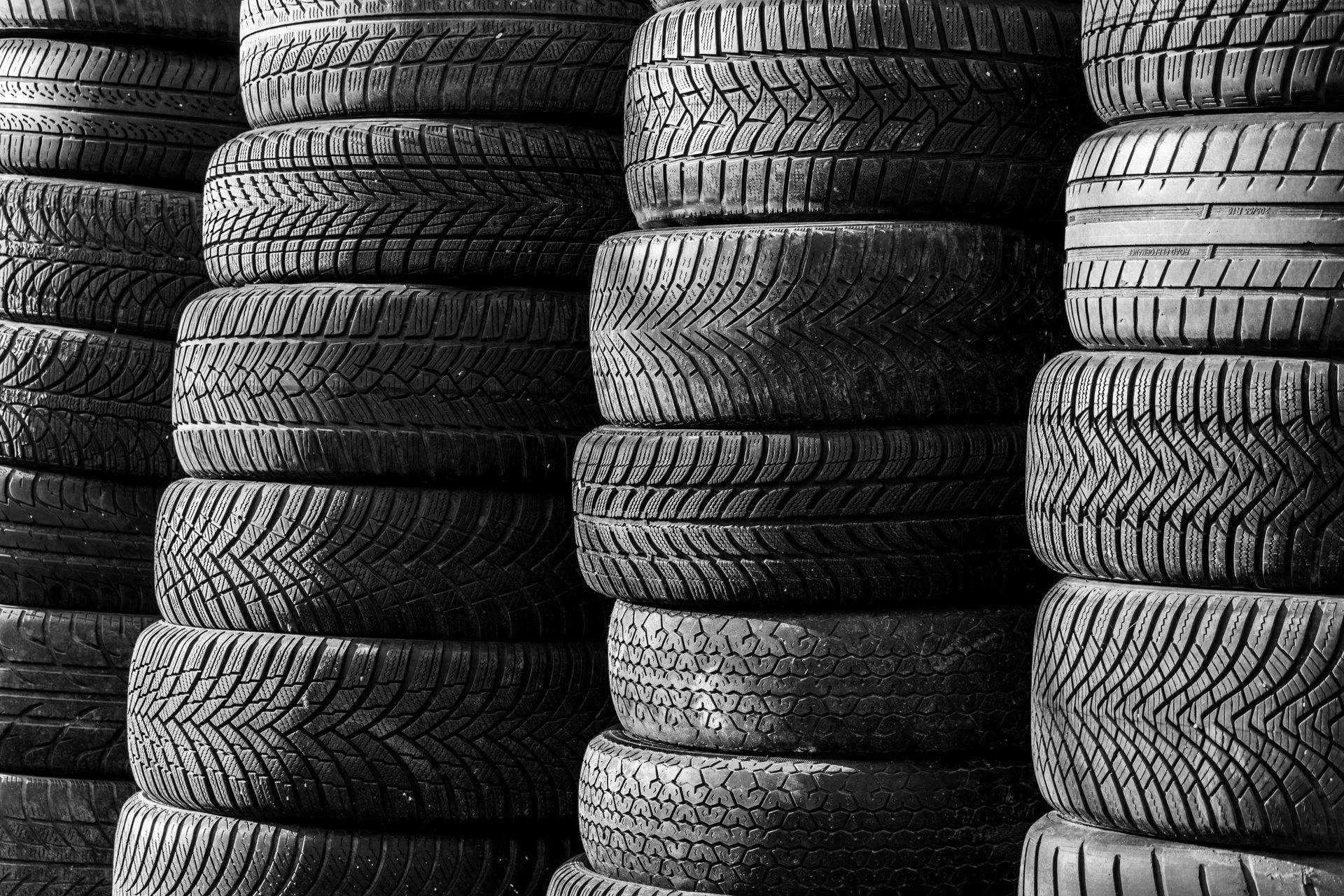
Tire care deserves special attention because extended storage can contribute to premature aging when proper precautions are not taken. The article on how to stop dry rot tires during storage offers practical guidance for protecting tires and extending their lifespan. By staying ahead of maintenance tasks, owners can avoid many common storage-related issues regardless of which storage option they choose.
How Your Travel Habits Should Influence Your Decision
One of the most effective ways to determine the right storage solution is to examine how frequently you use your vehicle. For example, someone who takes an RV trip nearly every weekend during the summer may place a higher value on accessibility than maximum protection. In this situation, outdoor storage often provides a convenient and practical solution. Conversely, an owner who stores a boat for several months between outings may prioritize preservation. Since the vessel spends much of its time sitting idle, reducing exposure becomes increasingly valuable.
Similarly, individuals who own premium motorhomes, luxury fifth wheels, or high-value boats often choose indoor storage because protecting appearance and condition aligns with their long term ownership goals. Therefore, before selecting a storage option, it is helpful to ask a simple question: Will this vehicle spend more time being used or more time being stored? The answer frequently reveals which storage environment makes the most sense.
Why Yelm Residents Benefit From Dedicated Boat & RV Storage
Yelm's location makes it an excellent home base for outdoor recreation throughout western Washington. Residents have convenient access to boating destinations, campgrounds, scenic drives, and countless recreational opportunities that attract RV and boat enthusiasts throughout the year. Many travelers enjoy exploring Mount Rainier National Park, which offers hiking, sightseeing, camping, and outdoor recreation opportunities across thousands of acres of protected landscape.
Similarly, visitors and residents frequently take advantage of recreational boating opportunities throughout Washington State. The Washington State Parks Boating Program provides information and resources for boat owners and recreational users. Because so many residents enjoy seasonal travel and recreation, dedicated storage often becomes an important part of ownership. Rather than occupying valuable driveway space, boats and RVs can remain stored in a location designed to accommodate larger recreational vehicles.
Making the Right Choice for Your Situation
At the end of the day, neither indoor nor outdoor storage is universally better. Instead, each option serves different priorities. Indoor storage appeals to owners who place a premium on protection, preservation, and minimizing environmental exposure. It is particularly attractive for long term storage periods and high-value recreational vehicles. Outdoor storage, meanwhile, offers flexibility, accessibility, and affordability. For many active owners, these advantages make it the most practical solution for everyday use. When evaluating your options, consider your budget, how often you travel, how long your vehicle remains parked between trips, and how important long-term preservation is to your ownership goals. Looking at storage through all of these lenses will help create a more balanced decision.
The storage decision you make today can influence the condition of your boat or RV for years to come. While indoor storage provides the highest level of protection, outdoor storage continues to be a valuable option for owners seeking convenience and cost effectiveness. Neither approach is inherently right or wrong. Instead, the best choice depends on how you use your vehicle and what you want from your ownership experience. As you compare storage options in Yelm, it is worth considering not only current needs but also the long term condition of your investment.