How to Store Your RV for Winter in Yelm Washington
Owning an RV near Yelm places you close to some of the Pacific Northwest most captivating natural areas. You can take your RV to Mount Rainier National Park explore the lakes and forests around Olympia and travel west to the scenic coastline near Ocean Shores. Winters in Yelm bring rain cold temperatures and occasional snow which can damage your RV if it is not prepared correctly for storage. Preparing an RV for winter involves a series of specific tasks. Each task protects a part of the vehicle. When winter arrives it is important to take steps that prevent damage and make it easy to start using the RV again in spring. The following guide focuses on conditions typical to Yelm Washington and how to prepare your RV for winter storage at Yelm RV Storage so you don’t make common mistakes before storing your RV.
For those in a hurry
- Wash the exterior and clean the interior before storage
- Remove all food and clean the refrigerator with the door left open
- Inspect exterior seals windows and roof vents and repair problems
- Change the oil fill the fuel tank and add fuel stabilizer
- Check coolant levels and protect against freezing temperatures
- Drain all water tanks and winterize plumbing with RV safe antifreeze
- Inflate tires to recommended pressure and use protective covers
- Disconnect or remove the battery and maintain charge
- Seal openings and place deterrents to prevent pests
- Allow ventilation and use moisture absorbers inside the RV
- Perform a final walkaround before locking up
Begin With a Thorough Cleaning
Starting with a thorough cleaning helps stop long term wear from grime and moisture. Wash the whole exterior paying close attention to the roof. Leaves moss and windblown debris frequently gather around seals and vents in this region. Inside the RV remove all food items including dry goods and canned products. The damp cool weather of the Pacific Northwest attracts rodents that seek warmth and shelter. Vacuum floors clean seating areas and wipe down counters cabinets and tables. Clean the refrigerator completely and leave the door slightly open to discourage odors and mold growth during storage.
Inspect and Fix Exterior Parts
Winter weather can expose small issues that were easy to ignore in warmer months. Before storing your RV check all exterior seals around windows doors roof vents and access panels. Rain and occasional snow can exploit cracks and allow moisture inside. Inspect the roof carefully for cracks or failing sealant. Fixing these problems before storage reduces the risk of leaks over the winter. Inside the RV look for signs of moisture staining on ceilings and walls and correct areas of concern.
Prepare the Engine and Mechanical Systems
The engine and mechanical systems require attention even if the RV will not be driven for months. Start by changing the oil and installing a new filter. Clean oil protects engine components during long idle periods. Fill the fuel tank and use a fuel stabilizer approved for storage to prevent breakdown. Running the engine briefly helps circulate the stabilizer throughout the system. Verify coolant levels and use antifreeze suitable for the freezing temperatures that can occur in Yelm.
Winterize the Plumbing System
Water lines and tanks are vulnerable to freezing temperatures and can crack if not winterized. Drain the fresh water tank gray tank and black tank until empty. Open any drains provided by the manufacturer and remove standing water from the lines using compressed air or manual methods. Use RV specific antifreeze in all plumbing components including sinks showers drains and the toilet. Do not use automotive antifreeze. Properly winterizing the plumbing protects pipes pumps and valves and helps ensure the system is ready for use when warmer weather returns.
Protect Tires During Storage
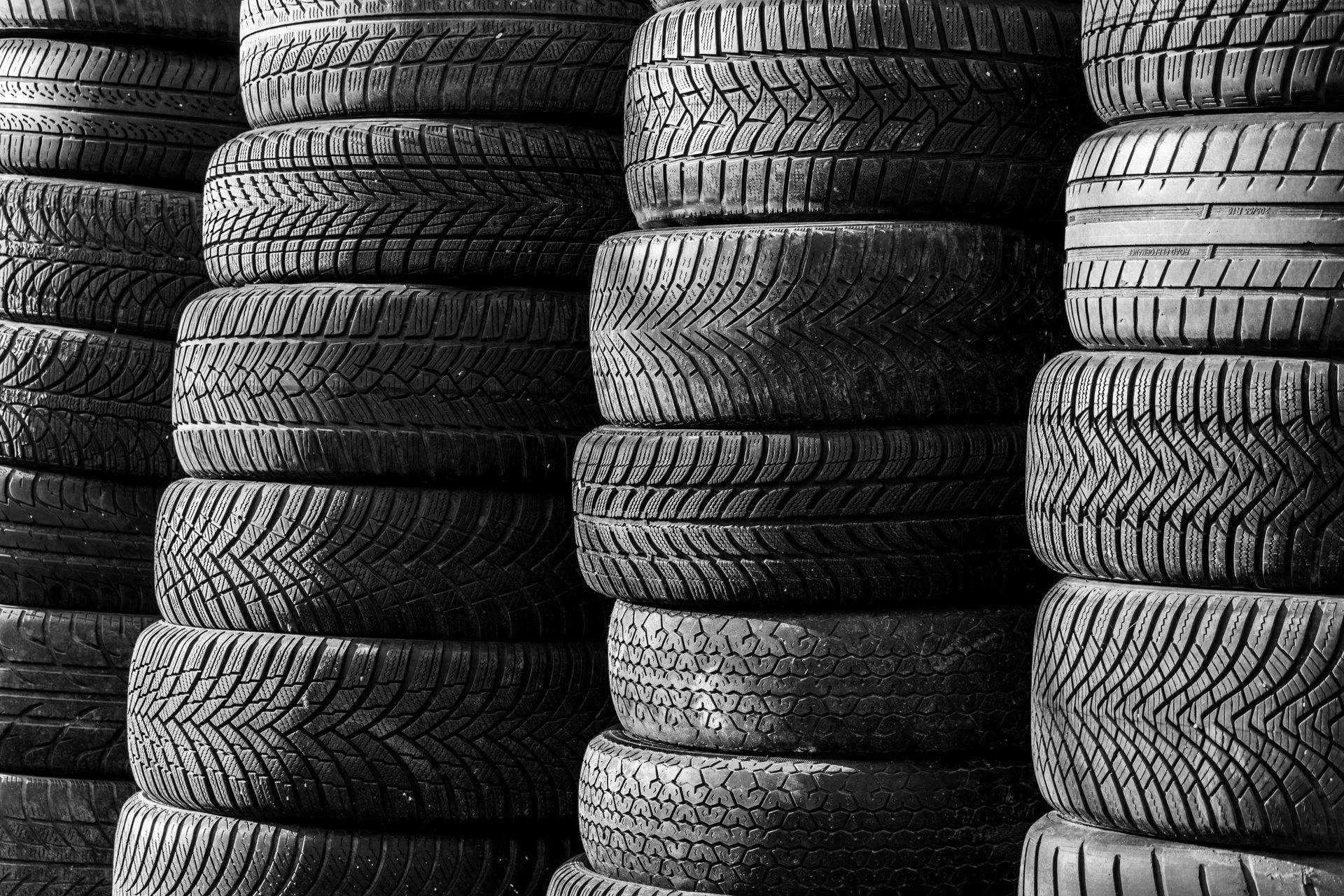
First, check your tires. RV tires take significant weight even when parked. Long periods of inactivity can cause flat spots. Inflate tires to the pressure recommended by the manufacturer before winter storage. Use tire covers to shield against sun exposure rain and cold. Rain and ultraviolet light can degrade tire rubber over time. Whenever possible place the RV on a firm surface such as pavement or gravel.
Battery Care for Winter
Cold temperatures can drain battery life over time. Before storing disconnect the RV battery. If you can remove it store it in a dry sheltered place.
If battery removal is not possible use a battery maintainer to preserve the charge. Check battery condition throughout winter to help maintain its lifespan and make it easier to restart the RV in spring.
Prevent Pests From Entering
Pests often seek warmth in cold weather and RVs can attract them if not properly sealed. Inspect exterior openings such as vent holes utility access points and cable entries. Seal gaps where wires pipes or hoses enter the RV. Install vent covers that allow airflow while blocking entry. Inside the RV avoid leaving paper fabric or other materials that can attract rodents. Place deterrents in storage compartments and near common entry areas.
Manage Interior Ventilation and Moisture
Humidity control is important even in Yelm where winter rains can raise moisture levels inside a parked RV. Use vent covers that provide airflow while keeping water out. Place moisture absorbing products in cabinets closets and sleeping areas to help manage interior humidity. Avoid sealing the RV completely airtight. Controlled airflow helps protect interior materials and reduces the chance of mold mildew and other moisture related damage.
Perform a Final Walkaround
Before storing your RV complete a final check. Confirm tire pressure once more. Make sure all windows doors and storage compartments are closed securely. Ensure the refrigerator is off with the door propped open. Double check that the water system has been fully winterized. Remove valuables personal documents and any loose items. Lock the RV and make note of the storage location details for future reference. Winter
RV storage in Yelm Washington requires planning due to cold temperatures rain and occasional snowfall. Cleaning inspection mechanical care plumbing winterization and pest prevention all help protect your RV during the off season.
Your Boat or RV Deserves Better Than a Driveway: Choosing Between Indoor and Outdoor Storage in Yelm