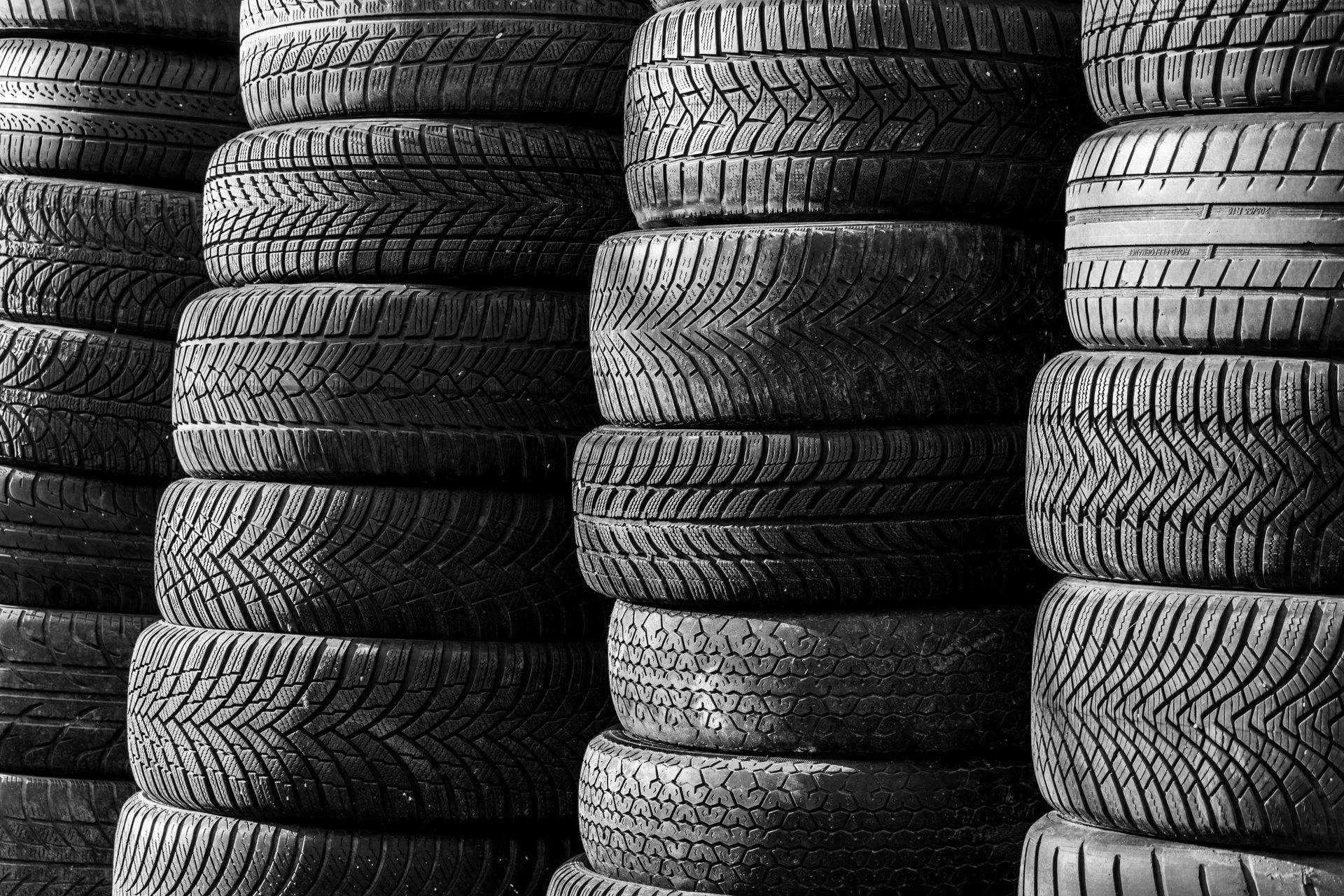
How to Check Tires and Batteries Before Long-Term Storage
Tires and batteries are two of the most important components to inspect before placing any vehicle into storage. At Yelm RV Storage, many owners prepare their RVs, boats, and vehicles carefully to reduce maintenance problems during long periods of inactivity. A few simple inspections before storage can help prevent expensive replacements later, and keep your vehicle ready for the next adventure.
Quick Highlights for Busy Readers
- Inspect tire pressure and tread condition.
- Maintain or disconnect batteries before storage.
- Check for corrosion and uneven tire wear.
- Perform monthly inspections during long-term storage.
1. Inspect Tires for Wear and Damage
Before storing your vehicle, carefully examine each tire for signs of wear, cracks, or punctures. Uneven wear or visible damage can lead to blowouts or flat spots during storage. If you notice any issues, replace the tires before putting your vehicle into storage. It’s also important to inspect the tire sidewalls for dry rot, weather cracking, or bulges that may worsen while the vehicle sits unused. Catching tire problems early can help improve safety, reduce long-term maintenance costs, and prevent unexpected issues when it’s time to travel again.
2. Maintain Proper Tire Pressure
Check the tire pressure and inflate each tire to the manufacturer’s recommended level. Tires can lose pressure over time, and underinflated tires are more likely to develop flat spots during long-term storage. Proper inflation also helps reduce stress on the tire structure and supports more even weight distribution while the vehicle remains parked. Temperature changes throughout the season can also affect tire pressure, especially during colder weather. Periodically checking PSI during storage can help maintain tire condition and extend overall tire life.
3. Use Tire Protection Techniques
If your RV, trailer, or boat has been stored on the ground for an extended period, consider using tire covers to protect them from sunlight and UV damage. For long-term storage, using wheel chocks or elevating the vehicle slightly can help prevent flat spots and maintain tire integrity. Tire care is just one part of off-season storage, and taking a few extra safety steps can go a long way toward preventing avoidable damage while your vehicle is parked.
4. Inspect and Charge Batteries
Batteries can lose charge or deteriorate when left unused. Before storage, check the battery terminals for corrosion and clean them if necessary. Fully charge the battery, and if possible, disconnect it or use a trickle charger to maintain the charge throughout storage. Keeping the battery charged helps reduce the risk of permanent battery damage caused by long periods of inactivity. Corrosion around battery terminals can also interfere with electrical performance and make starting the vehicle difficult later. Regular inspections before and during storage can help identify small issues before they become larger maintenance problems.
5. Store Batteries Properly
If you remove the battery from your RV, boat, or trailer, store it in a cool, dry place. Keep it on a non-conductive surface and away from direct sunlight. This will help extend the battery’s life and ensure it’s ready for use when you return. Many of the same battery and storage principles apply to cars as well, especially when a vehicle is sitting unused for weeks or months at a time.
6. Periodically Check During Storage
Even while in storage, it’s a good idea to check tires and batteries periodically. Inspect tires for pressure loss or signs of damage and ensure batteries remain charged if they are still connected to a trickle charger. Performing routine inspections during storage allows owners to catch potential problems early before they lead to costly repairs or replacement needs. Regular visits also provide an opportunity to inspect the overall condition of the vehicle, including covers, seals, and signs of moisture or pests. Staying proactive throughout the storage period helps keep your RV, boat, or trailer ready for use when the season returns.
Routine tire and battery inspections are essential for protecting vehicles during storage. Yelm RV Storage provides a secure local option for owners who want reliable long-term storage and easier maintenance preparation. Properly checking and maintaining tires and batteries before long-term storage protects your vehicle, reduces maintenance costs, and ensures it’s ready for your next trip. At Yelm Boat and RV Storage, secure and convenient storage solutions make it easy to store your RVs, boats, and trailers safely while you’re not using them.


Your Boat or RV Deserves Better Than a Driveway: Choosing Between Indoor and Outdoor Storage in Yelm