Essential RV Maintenance Tools Every Owner Should Have

Josh Summerhays • December 15, 2025

Owning an RV opens the door to unforgettable road trips, scenic campsites, and spontaneous weekend getaways. But like any vehicle, regular maintenance is key to keeping your RV road-ready. Whether you’re a seasoned traveler or new to the RV lifestyle, having the right tools on hand can save you time, money, and stress.


At Yelm Boat and RV, we’ve put together a list of essential RV maintenance tools every owner should have.


1. Tire Pressure Gauge and Inflator


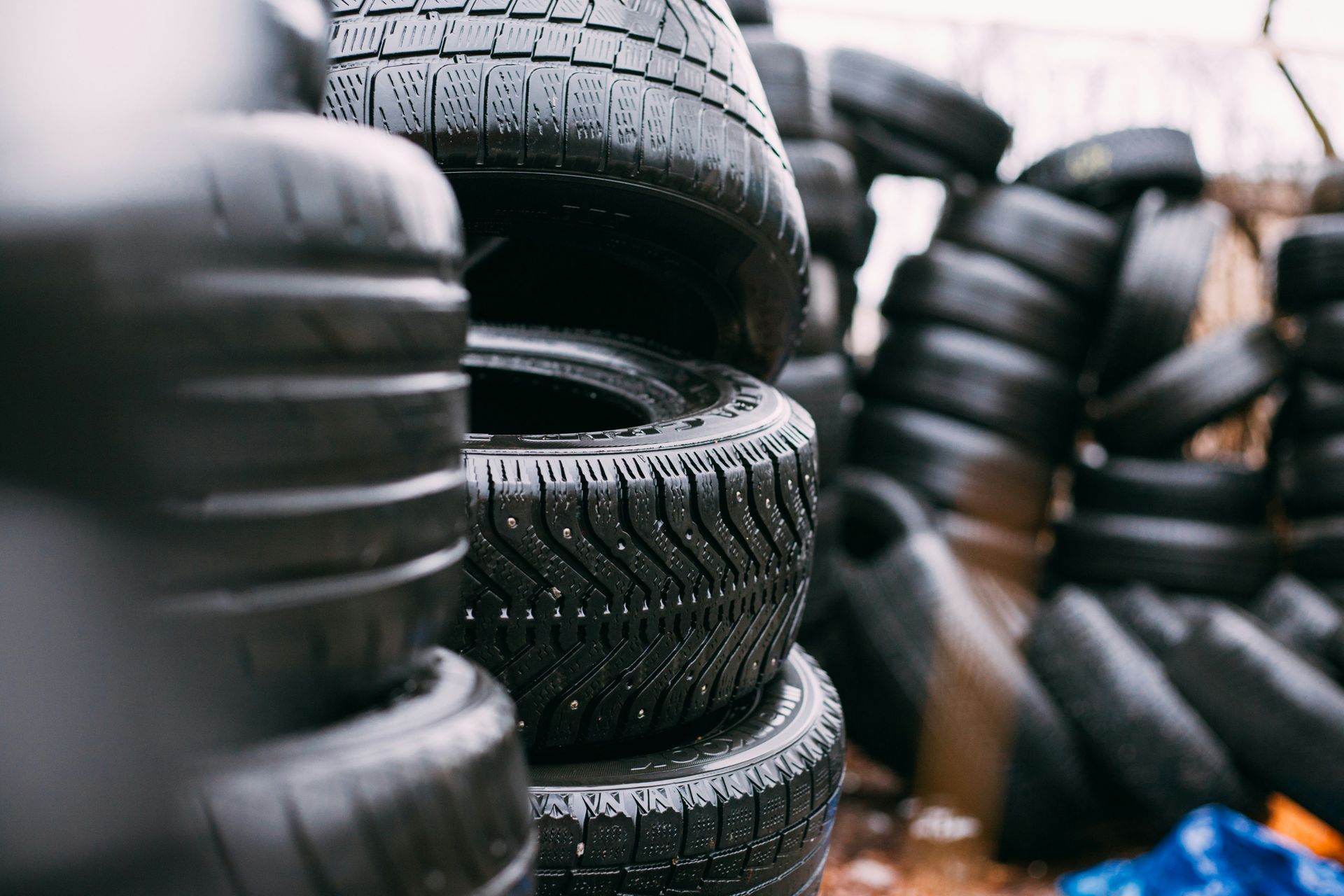
Proper tire pressure is critical for RV safety and fuel efficiency. A reliable tire pressure gauge and portable inflator can help you catch underinflation before it becomes a serious issue.


Before diving into tools for fixes and upgrades, it’s smart to understand how to check tires and batteries before long term storage so you start with a solid baseline.


2. RV-Specific Sewer Hose Kit


Not the most glamorous tool, but an absolute must. A durable sewer hose with attachments for different hookups ensures a mess-free and sanitary waste disposal process.


3. Multimeter


This handy tool helps diagnose electrical issues by measuring voltage, current, and resistance. A multimeter is essential for troubleshooting problems with batteries, outlets, and lights.


4. Water Pressure Regulator


Campground water pressure can vary and sometimes exceed safe levels. A pressure regulator protects your RV's plumbing from leaks or bursts due to high pressure.


5. Roof Sealant and Caulk Gun


Water damage is a common enemy of RVs. Keeping a high-quality roof sealant and caulk gun on hand allows you to quickly seal any cracks or gaps that could lead to leaks.


6. Basic Tool Kit


A sturdy toolbox with essentials like screwdrivers, wrenches, pliers, and a hammer is non-negotiable. Many minor fixes can be handled on the spot with a well-stocked tool kit.


7. Leveling Blocks


No one wants to sleep on a slant. Leveling blocks help stabilize your RV on uneven terrain, making life more comfortable and protecting your appliances from damage.


8. Battery Terminal Cleaner


Corroded battery terminals can prevent your RV from starting. A terminal brush or cleaner spray helps keep your battery connections in top condition.


9. Spare Fuses and Bulbs


Electrical issues can crop up at the worst times. Keeping spare fuses and bulbs in your RV ensures you’re never left in the dark, literally.


10. Emergency Roadside Kit


Include jumper cables, road flares, reflective triangles, and a first aid kit. It's always better to be prepared for the unexpected.


If you’re thinking about more than just tools and want a full overview of what to tackle before storing your RV or boat, this seasonal checklist covers prep tasks you might otherwise overlook.


Trust Yelm Boat and RV for Safe, Convenient Storage


When it’s time to park your RV for the season, Yelm Boat and RV provides secure, spacious storage with easy access when you're ready to hit the road again. Keeping your RV in top condition starts with the right tools and ends with the right storage.


Contact us today to learn more about our RV storage options or reserve your space.
Recreational vehicle parked at night under a starry sky with interior lights on during off-season st
By Josh Summerhays December 15, 2025
Avoid common RV storage mistakes with practical tips that help protect your vehicle, prevent damage, and keep it road ready year round.
RV driving along a mountain road surrounded by pine trees
By Josh Summerhays December 15, 2025
Prepare your RV or boat for off-season storage with a simple checklist that helps prevent damage, reduce maintenance issues, and protect your investment year-round.
White SUV crossing a shallow river in a wide mountain landscape
By Josh Summerhays December 15, 2025
Protect your car during long-term storage with simple prep tips that prevent damage, battery drain, and tire issues while your vehicle is off the road.
Motorboat cruising across calm water at sunset with people enjoying time on board
By Josh Summerhays December 15, 2025
Prepare your boat or RV for the off-season with simple storage tips that protect against weather, pests, and wear while not in use.
December 1, 2025
When it comes to storing your RV or boat, it’s easy to focus only on parking the vehicle, but how you organize and store the items inside can make a big difference in keeping your trips enjoyable and stress-free. Proper interior storage helps protect your belongings, maximizes space, and makes everything easy to access whenever you need it. Start by taking an inventory of the items you regularly bring on your trips. Think about kitchen supplies, bedding, clothing, outdoor gear, and safety equipment. Knowing exactly what you have will help you decide the best way to store each item without cluttering your space or creating hazards while driving. Using storage bins, baskets, and organizers is one of the simplest ways to keep things neat. Smaller items like utensils, toiletries, and tools can easily get lost in drawers or under seats if they aren’t contained. Clear bins are especially helpful because you can see what’s inside without opening every container, saving time when you’re looking for something. Maximizing vertical space is another key strategy. Consider using stackable bins, hanging organizers, or storage nets for lightweight items. Cupboards and overhead compartments can hold items you don’t need to access daily, while baskets or bins near frequently used areas keep things within easy reach. For boats, mesh storage bags and built-in compartments can help secure loose items during travel. Labeling is also essential, even for interior storage. Marking bins, drawers, and cabinets ensures that everyone in the family knows where things belong. This not only keeps your RV or boat organized but also prevents items from being misplaced or left behind during trips. When storing soft items like bedding, towels, or clothing, vacuum-sealed bags or compression bags can save a lot of space. They also protect fabrics from moisture, dust, and pests, which is especially useful if your RV or boat will be in storage for an extended period. Roll clothing instead of folding when possible to maximize space and reduce wrinkles. Think about weight distribution and safety as you pack. Keep heavier items low to prevent tipping or shifting while driving. Store fragile or breakable items in padded containers and secure them in cabinets or compartments. Items that are used frequently should be easy to reach, while seasonal or rarely used gear can be stored in less accessible spaces. Finally, take a few minutes to regularly check your interior storage. Things can shift while traveling, so adjusting and reorganizing as needed keeps everything safe and accessible. With a little planning and thoughtful organization, your RV or boat can remain clutter-free, your belongings protected, and your trips much more enjoyable.
By Josh Summerhays October 29, 2025
If you own a boat or RV in Yelm, WA, finding the right storage solution is essential. With Yelm’s proximity to rivers, lakes, and the great outdoors, many residents enjoy seasonal adventures in their recreational vehicles. But protecting your investment from weather, theft, and general wear and tear requires reliable storage. This guide covers what to look for in boat and RV storage in Yelm, WA, and how to make the most of your storage experience. Explore Yelm Boat and RV Storage here to see available units and amenities. Why Proper Boat and RV Storage Matters Storing a large vehicle like a boat or RV isn’t as simple as parking it in your driveway. Without proper care, vehicles can quickly deteriorate. Here’s why dedicated storage is important: Protection from Weather: Yelm experiences wet winters and occasional storms that can damage vehicles left outdoors. Proper storage shields your investment from rain, snow, and UV exposure. Security: Storage facilities offer gates, surveillance, and restricted access, which reduces the risk of theft or vandalism. Convenience: With a secure storage spot, your RV or boat is ready for your next adventure without the hassle of long preparation or cleaning. According to Bankrate , proper storage can extend the life of your RV or boat by years, protecting both its value and functionality. Types of Boat and RV Storage Available in Yelm When choosing storage, it’s important to understand your options. Here’s a breakdown of common types: Outdoor Storage Outdoor storage is often the most cost-effective option. Vehicles are parked in open-air lots and may have access to basic amenities. While cheaper, outdoor storage exposes your boat or RV to the elements, so it’s best for seasonal use or vehicles with protective covers. Covered Storage Covered storage provides a roof over your vehicle but may still have open sides. This option balances cost and protection, reducing UV damage and rain exposure while remaining more affordable than fully enclosed units. Enclosed Storage Fully enclosed storage offers the highest level of protection. Your boat or RV is housed in a secure building, protected from weather, debris, and potential theft. This type of storage is ideal for high-value vehicles or long-term storage needs. Learn more about unit sizes and options at Yelm Boat and RV Storage . Tips for Choosing the Right Storage Facility Selecting a facility is just as important as choosing the type of storage. Here are key factors to consider: Location: Look for a facility that is convenient for your regular use and close to Yelm’s main roads or recreational areas. Access Hours: Some facilities offer 24/7 access, while others have restricted hours. Choose one that fits your schedule. Security Features: Gated access, surveillance cameras, and on-site staff improve safety. Size Options: Ensure the facility offers units large enough for your RV or boat, with room to maneuver safely. Maintenance and Cleanliness: A well-maintained facility reflects how seriously your vehicle will be cared for. Seasonal Considerations in Yelm Yelm’s climate can be tough on vehicles left outside for months at a time. Winters bring heavy rain and occasional snow, while summers have strong sun exposure. Preparing your RV or boat for storage includes: Cleaning thoroughly to prevent mold and corrosion Covering exposed surfaces Disconnecting batteries and fuel systems for long-term storage Checking tires and fluids before storage Following these steps reduces the risk of damage and ensures your vehicle is ready for your next outing. Additional Benefits of Local Storage Choosing a local facility like Yelm Boat and RV Storage has added advantages: Community Expertise: Staff understand local weather patterns and how to best store vehicles for the area. Proximity to Recreational Spots: Easy access to nearby lakes and parks makes trips more convenient. Flexible Lease Options: Local facilities often provide month-to-month leases, perfect for seasonal storage needs. Finding the right boat and RV storage in Yelm, WA, ensures that your investment remains safe, secure, and ready for your next adventure. Whether you need outdoor, covered, or fully enclosed storage, Yelm Boat and RV Storage offers a range of options tailored to local residents’ needs. Check current availability and reserve your storage unit today . Protect your RV or boat while enjoying all that Yelm and the surrounding Pacific Northwest have to offer.
September 23, 2025
Proper preparation is essential when storing your boat, RV, or trailer for an extended period. Two of the most important maintenance steps are checking your tires and batteries. Ensuring these components are in good condition before storage can prevent costly damage and keep your vehicle ready for the next adventure. 1. Inspect Tires for Wear and Damage Before storing your vehicle, carefully examine each tire for signs of wear, cracks, or punctures. Uneven wear or visible damage can lead to blowouts or flat spots during storage. If you notice any issues, replace the tires before putting your vehicle into storage. 2. Maintain Proper Tire Pressure Check the tire pressure and inflate each tire to the manufacturer’s recommended level. Tires can lose pressure over time, and underinflated tires are more likely to develop flat spots during long-term storage. 3. Use Tire Protection Techniques If your RV, trailer, or boat has been stored on the ground for an extended period, consider using tire covers to protect them from sunlight and UV damage. For long-term storage, using wheel chocks or elevating the vehicle slightly can help prevent flat spots and maintain tire integrity. 4. Inspect and Charge Batteries Batteries can lose charge or deteriorate when left unused. Before storage, check the battery terminals for corrosion and clean them if necessary. Fully charge the battery, and if possible, disconnect it or use a trickle charger to maintain the charge throughout storage. 5. Store Batteries Properly If you remove the battery from your RV, boat, or trailer, store it in a cool, dry place. Keep it on a non-conductive surface and away from direct sunlight. This will help extend the battery’s life and ensure it’s ready for use when you return. 6. Periodically Check During Storage Even while in storage, it’s a good idea to check tires and batteries periodically. Inspect tires for pressure loss or signs of damage and ensure batteries remain charged if they are still connected to a trickle charger. Conclusion Properly checking and maintaining tires and batteries before long-term storage protects your vehicle, reduces maintenance costs, and ensures it’s ready for your next trip. At Yelm Boat and RV Storage, secure and convenient storage solutions make it easy to store your RVs, boats, and trailers safely while you’re not using them.
August 15, 2025
When storing your RV, boat, trailer, car, or motorcycle, one uninvited guest can cause major headaches—rodents. Mice and rats can chew through wiring, insulation, upholstery, and more, leading to costly repairs and frustrating delays when you’re ready to hit the road or water. Fortunately, a few simple steps can help keep these pests out of your stored vehicle. Why Rodents Target Stored Vehicles Rodents are always looking for shelter, warmth, and food. A stored vehicle—especially one parked for weeks or months—offers a perfect hiding place. Dark corners, soft insulation, and engine compartments can become cozy nests if you’re not proactive. Steps to Keep Rodents Away Clean Thoroughly Before Storing Remove all food, crumbs, and trash from the interior and storage compartments. Even pet food, birdseed, or scented trash bags can attract pests. Wipe down surfaces to eliminate smells that might draw them in. Seal Entry Points Check for gaps or holes where rodents could squeeze in—this includes vents, wiring holes, and undercarriage openings. Use steel wool or mesh to block small gaps, as rodents can chew through softer materials. Use Rodent Deterrents Place natural deterrents such as peppermint oil-soaked cotton balls or commercial rodent repellents around the vehicle. Scented dryer sheets are also a popular option for small spaces. Protect Wiring and Hoses Rodents often chew on vehicle wiring for nesting material. Consider using rodent-deterrent tape or spray on exposed wires and hoses. Elevate or Move the Vehicle Periodically If possible, move the vehicle every few weeks or start the engine to discourage rodents from settling in. Movement and vibration can make a space less appealing to pests. Use Traps Around the Storage Area Set snap traps or enclosed bait stations (never inside the vehicle) near storage areas to catch pests before they get in. Why Store at Yelm Boat and RV At Yelm Boat and RV, we understand the importance of protecting your investment. Our facility offers secure, well-maintained spaces for your RV, boat, trailer, and other vehicles. With clean grounds, good lighting, and attentive service, we help minimize the risks that can come with long-term storage. Don’t let rodents make your vehicle their next home. Follow these preventive steps, and store with Yelm Boat and RV for peace of mind all year long.