Seasonal Checklist for RV and Boat Owners Before Storage
As boating and RV seasons come to a close, it’s important to properly prepare your vehicle for storage. Taking a few key steps now can help protect your investment from damage and ensure a smooth return to the road or water when the time comes. Before you jump into the details, this piece on how to safely store your boat or RV for the off-season gives a great overview of what good storage prep looks like. At Yelm Boat and RV Storage, we’re here to help you get your RV or boat ready with this straightforward seasonal checklist.
1. Clean the Interior and Exterior
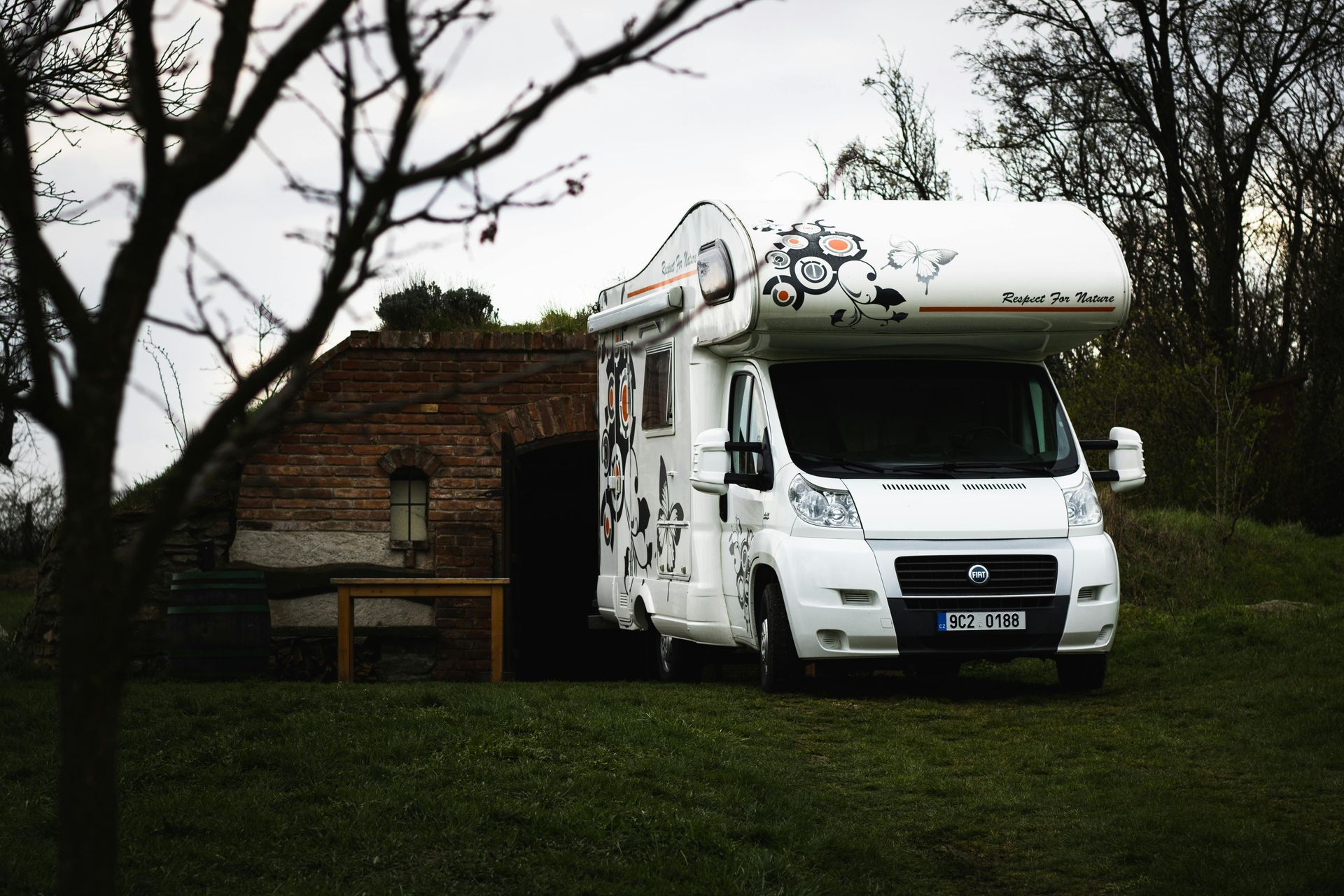
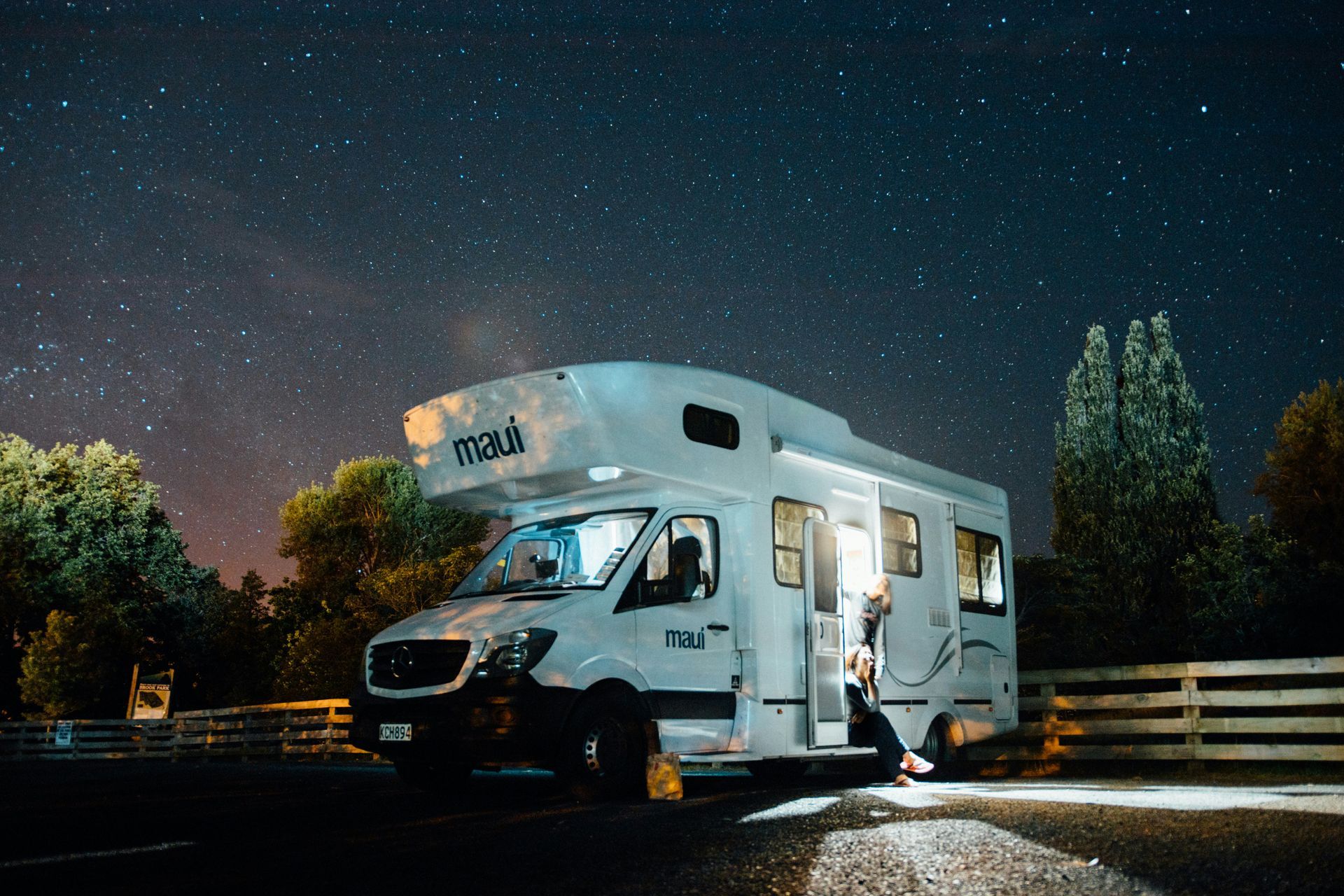
- RV: Remove all food, trash, and personal items to prevent odors and pests. Clean and disinfect surfaces, vacuum floors, and wipe down appliances. Taking the time to deep clean before storage also helps prevent stains, mildew, and lingering moisture buildup during the off-season. Opening cabinets and refrigerator doors slightly can improve airflow and reduce musty smells while the RV sits unused.
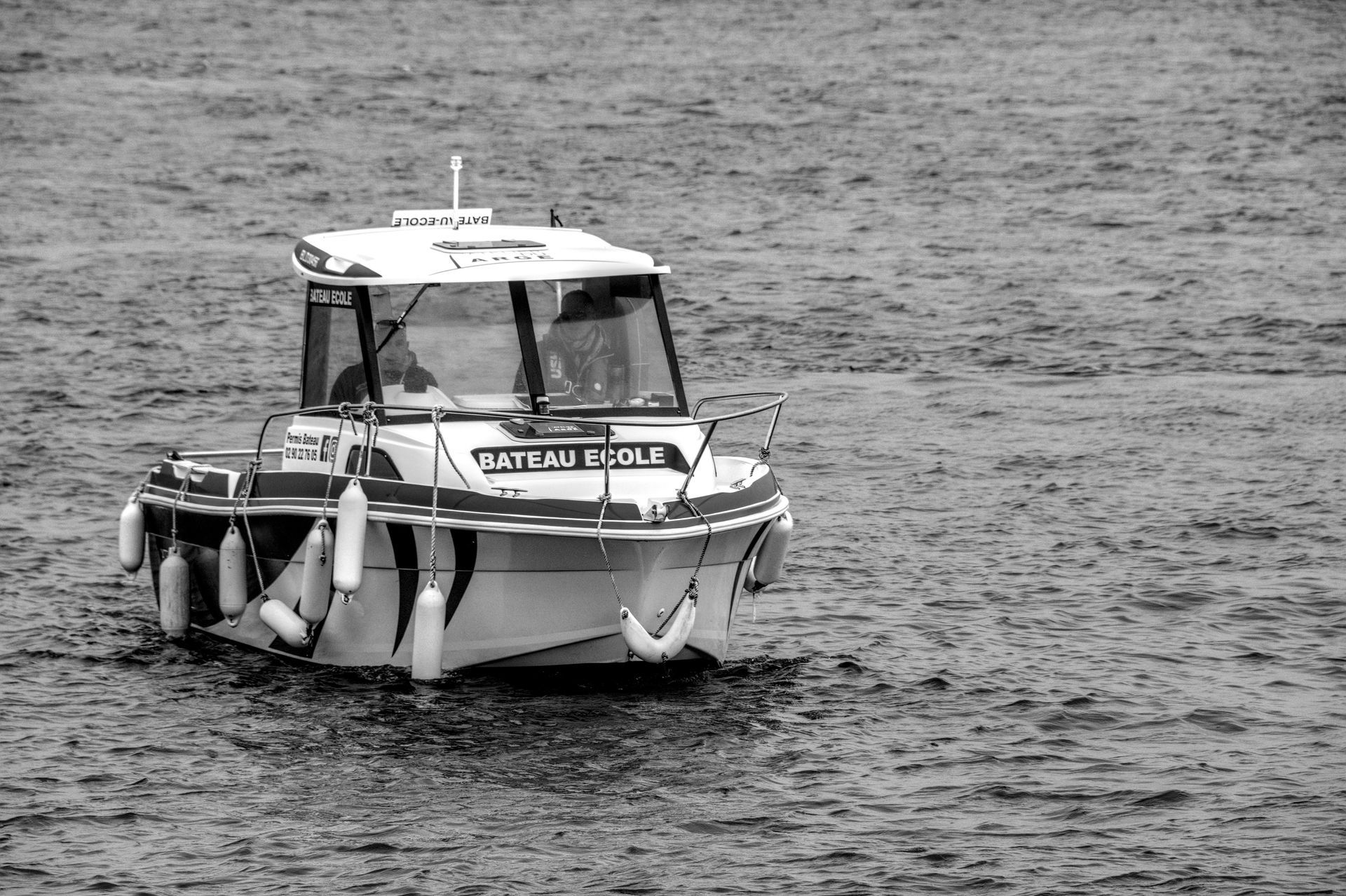
- Boat: Wash the hull, deck, and interior thoroughly. Remove electronics, fishing gear, and life jackets. Let everything dry completely to avoid mold and mildew. Salt, dirt, and moisture left behind can slowly damage surfaces and equipment over time, so a full cleaning before storage helps preserve both appearance and performance.
2. Inspect for Damage
Check for cracks, leaks, or signs of wear both inside and outside your RV or boat. Addressing these issues early helps prevent more serious problems during the off-season. Small leaks or damaged seals may not seem urgent at first, but they can allow moisture to enter and create expensive repairs later. Pay close attention to roofing materials, windows, tires, and storage compartments during your inspection.
3. Drain Water Systems
- RV: Drain fresh water, gray water, and black water tanks. If freezing temperatures are expected, add RV-safe antifreeze to plumbing lines. It’s also a good idea to inspect hoses and connections for signs of wear before storing the vehicle for winter. Properly winterizing the plumbing system can help avoid cracked pipes and water damage when temperatures drop.
- Boat: Drain water from the bilge, engine, and freshwater systems. Use marine antifreeze where needed to protect against freezing. Leaving water inside the system during cold weather can lead to costly engine or plumbing repairs. Taking preventative steps now helps ensure your boat is ready to return to the water when boating season begins again.
4. Disconnect the Battery
Remove or disconnect the battery to prevent drain while in storage. Store batteries in a cool, dry place and check them periodically. Batteries that sit unused for long periods can lose charge or develop corrosion if neglected. Using a battery maintainer or trickle charger can help extend battery life during the off-season.
5. Change Oil and Top Off Fluids
Old oil can corrode engine components during storage. Change the oil and filter, and top off essential fluids like coolant, brake fluid, and windshield washer fluid. Clean fluids help protect internal engine parts while the vehicle remains unused for extended periods. Performing routine maintenance before storage can also make it easier to get back on the road or water when the season returns.
6. Cover Your Vehicle
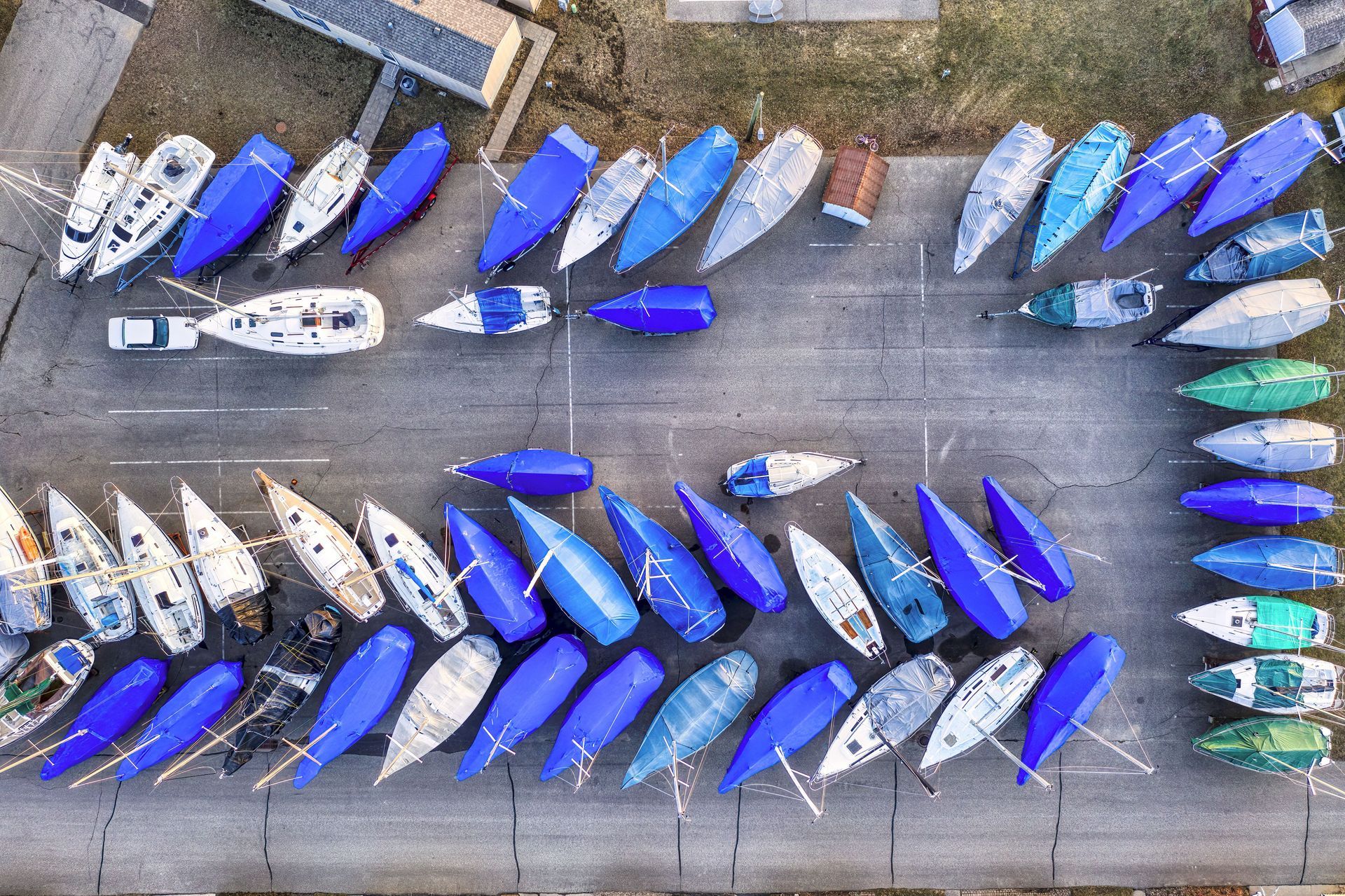
Use a high-quality, breathable cover to protect your RV or boat from sun, rain, and debris. A proper cover helps preserve paint, upholstery, and seals. Breathable covers are especially important because they help reduce trapped moisture that can lead to mildew or mold growth. Choosing a properly fitted cover also helps minimize wear caused by wind and shifting fabric.
7. Check Tires and Trailer Components
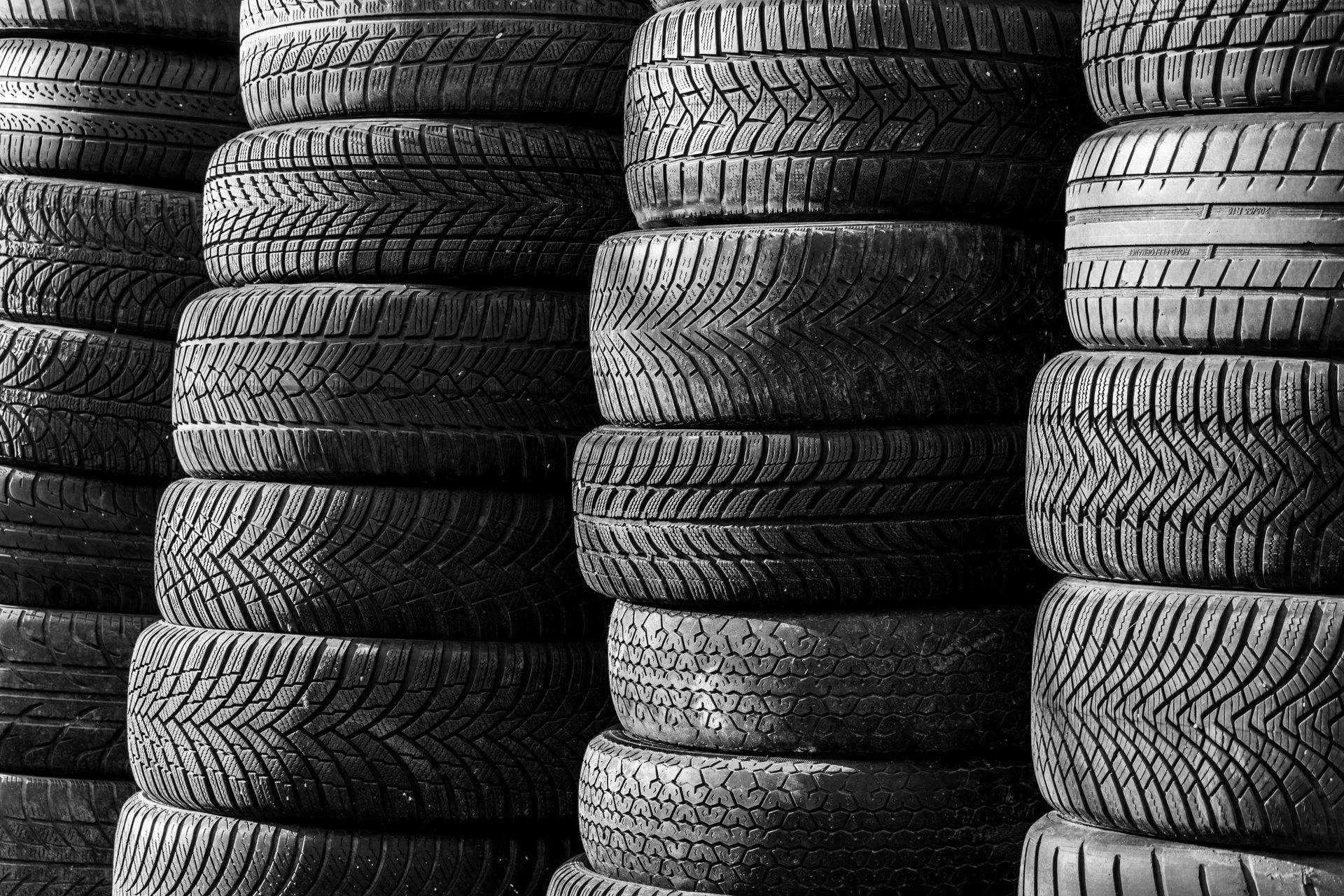
Inflate RV and trailer tires to the manufacturer’s recommended pressure. Use tire covers to protect against UV exposure. Inspect trailers for rust, loose bolts, or worn parts. While you’re checking tire pressure and components, it’s worth spending a minute reviewing how to check both tires and batteries before long-term storage, so nothing surprises you down the road.
8. Stabilize Fuel
Fill the tank and add a fuel stabilizer to prevent fuel breakdown and condensation. Run the engine briefly to circulate the stabilizer through the system. Fuel that sits too long without treatment can degrade and create engine performance issues later. Stabilizing fuel before storage helps protect the fuel system and supports easier engine startup after the off-season.
9. Prevent Pest Intrusion
Seal vents, windows, and openings to deter rodents and insects. Use pest repellents or traps that are safe for vehicle storage. Even small openings can allow pests to enter and damage wiring, upholstery, insulation, or stored belongings. Regularly checking your vehicle during storage can help catch signs of infestation before serious damage occurs.
10. Choose a Reliable Storage Facility
Storing your RV or boat at a secure, well-maintained facility is just as important as vehicle preparation. At Yelm Boat and RV Storage, we offer:
- Gated and secure access
- Spacious storage for large vehicles
- Covered and uncovered parking options
- Flexible month-to-month leases
- Convenient location in Yelm, WA
Get Ready for the Off-Season with Yelm Boat and RV Storage
Using a seasonal checklist can simplify maintenance and help protect your RV or boat throughout the year. Yelm RV Storage provides a convenient solution for local owners who want secure vehicle storage and easier seasonal preparation. Proper preparation and reliable storage go hand in hand. Follow this checklist and trust Yelm Boat and RV Storage to protect your RV or boat until your next adventure. Reserve your space today or contact our team to learn more about available storage options.
Your Boat or RV Deserves Better Than a Driveway: Choosing Between Indoor and Outdoor Storage in Yelm